If you drive in Florida, you know our roads are always busy and things are constantly changing. The same goes for our traffic laws. Recently, state legislators rolled out some important updates that every driver needs to be aware of, like a major expansion of the Move Over Law, new rules for traffic camera tickets, and even stricter requirements for keeping your license plate visible.
Getting a handle on these new Florida traffic laws is essential for staying safe and avoiding a costly ticket.
Understanding Florida’s New Road Rules for 2026
Think of these law changes less like brand-new rules and more like important updates to the driver’s manual we all follow. They aren’t just minor technicalities; they’re significant shifts designed to make our roads safer for everyone by addressing specific, real-world dangers that have emerged over the years.
By understanding what changed and, more importantly, why it changed, you can adjust your driving habits with confidence. This guide will walk you through everything you need to know in plain English, so you can hit the road without any confusion.
To get started, here’s a quick overview of the most significant changes coming in 2026.
Key 2026 Florida Traffic Law Changes at a Glance
This table breaks down the new regulations, what they mean for your daily drive, and the safety goal behind each one.
| New Law or Regulation | What It Means for Drivers | Effective Date | Main Purpose |
|---|---|---|---|
| Expanded Move Over Law | You must now move over or slow down for any disabled vehicle with its hazards on, not just emergency vehicles. | January 1, 2026 | To protect stranded motorists from being struck by passing traffic. |
| Traffic Camera Ticket Proof | A ticket from a red-light camera is only valid if it includes a clear photo or video of the driver’s face. | July 1, 2026 | To ensure the person ticketed was actually the one driving the vehicle, increasing fairness. |
| Stricter License Plate Visibility | Any frame or cover that obstructs any part of the license plate’s letters, numbers, or the state name is illegal. | July 1, 2026 | To help law enforcement and toll systems accurately identify vehicles. |
These updates directly address some of the most common and dangerous situations we face on the road, making awareness a critical part of safe driving.
Why These Changes Are Important
At their core, these updates are all about preventing accidents and saving lives. For instance, expanding the Move Over Law is a direct response to a tragic reality: a driver pulled over with a flat tire is just as vulnerable as a police officer during a traffic stop. Likewise, demanding clear photo evidence for camera tickets adds a layer of accountability to an automated system, protecting your rights.
Here’s how these laws will affect your daily driving:
- Heightened Awareness: You’ll need to be more vigilant than ever, scanning the shoulder ahead for any stopped vehicle, not just a police car or ambulance.
- Simple Vehicle Checks: That decorative license plate frame you’ve had for years? It’s time to make sure it isn’t covering even a tiny part of the plate. It’s now a legal requirement.
- Know Your Rights: If you get a ticket in the mail from a traffic camera, you now have clear grounds to challenge it if the photo evidence isn’t up to par.
The real goal here is to shift our collective mindset toward proactive safety. These new Florida traffic laws are designed to make us anticipate hazards and protect each other before an accident happens, building a stronger defensive driving culture across the state.
Staying Compliant and Safe
So, how do you adapt? It’s actually pretty simple. The first step is what you’re doing right now—getting informed. The next step is putting that knowledge into practice every time you start the engine.
It means consciously moving over for a car with its flashers on. It means taking a moment to check that your license plate is completely unobstructed. These small adjustments can make a huge difference.
Of course, these new updates are just one piece of the puzzle. To get a complete picture of your responsibilities on the road, our comprehensive guide to Florida state driving laws is an excellent resource. After all, being an informed driver is your best defense against both accidents and tickets.
Florida’s Move Over Law Just Got a Major Update. Here’s What You Need to Know.
Of all the recent changes to Florida’s traffic laws, the update to the Move Over Law is arguably the one you’ll encounter most often. What used to be a rule just for emergency responders has been expanded to protect everyone, and it’s a change every single driver in the Sunshine State needs to understand.
Simply put, the old law required you to move over for police cars, fire trucks, and other official vehicles with their lights flashing. The new rule, effective January 1, 2025, extends that same courtesy to any disabled vehicle on the side of the road with its hazard lights on.
From First Responders to Everyday Folks
Think about it: a driver stranded with a flat tire is in a pretty vulnerable spot—just as exposed as a state trooper during a traffic stop. This update finally acknowledges that danger.
Florida’s traffic fatality rate, sitting at 15.9 deaths per 100,000 people, is unfortunately higher than the national average. This change is a direct response to that statistic. By creating a mandatory safety buffer around all stopped vehicles, the state is trying to put a stop to preventable roadside tragedies. The rule applies whenever a car is pulled over and displays hazard lights, flares, or any other warning sign.
This chart can help you quickly process what to do when you see a stopped vehicle under the new rules.
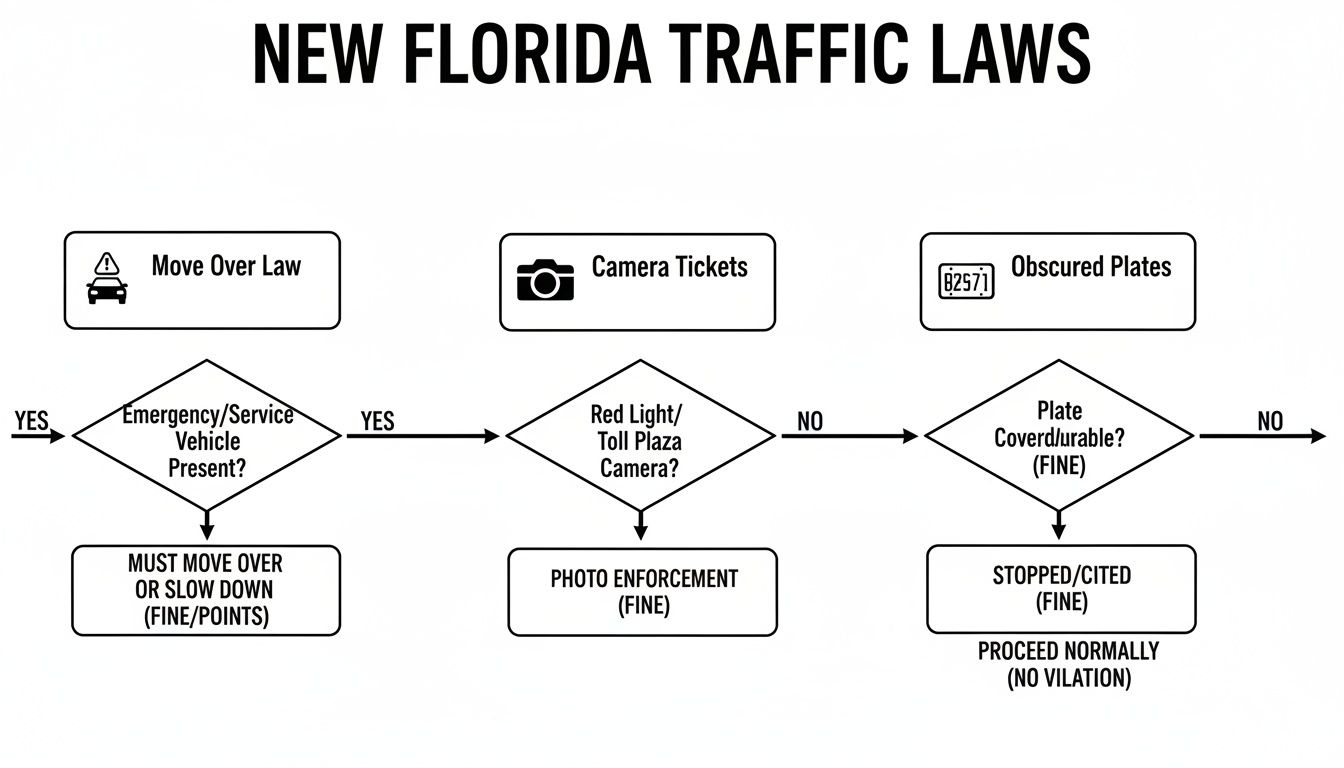
As you can see, the first step is always to move over if you can do so safely. If you can’t, you have to slow down.
How to Comply on Different Roads
What you’re required to do depends on the road you’re on. The goal is always the same: create a safe space between you and the stopped vehicle.
On Multi-Lane Highways (like I-95 or the Turnpike):
- If you’re in the lane right next to the disabled vehicle, you must move over one lane.
- Make sure to signal early and give a quick check of your blind spot.
- If traffic is just too heavy and you can’t safely get over, you must slow down instead.
On Two-Lane Roads:
- Since moving over isn’t an option here, your only choice is to slow down—a lot.
- The law is very specific: you have to drop your speed to 20 mph below the posted speed limit.
- And if the speed limit is already 25 mph or less, you need to slow all the way down to just 5 mph.
Imagine the stopped car has an invisible safety bubble around it. Your job is to drive around that bubble or slow down enough to pass it gently without causing a ripple.
The Cost of Getting It Wrong
Ignoring the new Move Over Law isn’t just dangerous; it’s a mistake that will hit your wallet and your driving record. Getting ticketed for this is a moving violation, and the consequences are serious. If you’re not sure what that means, it’s worth reading our guide on what constitutes a moving violation in Florida.
Here’s what you can expect if you’re cited:
- A fine that can be more than $150.
- Three points on your driver’s license.
Those points can quickly lead to higher insurance premiums, and if you collect enough of them, you risk having your license suspended. For a first offense, your best bet is almost always to opt for a Basic Driver Improvement (BDI) course. When you complete the course, you can keep the points off your record, which helps keep your insurance rates stable and your license clean.
New Rules for Traffic Cameras and License Plates
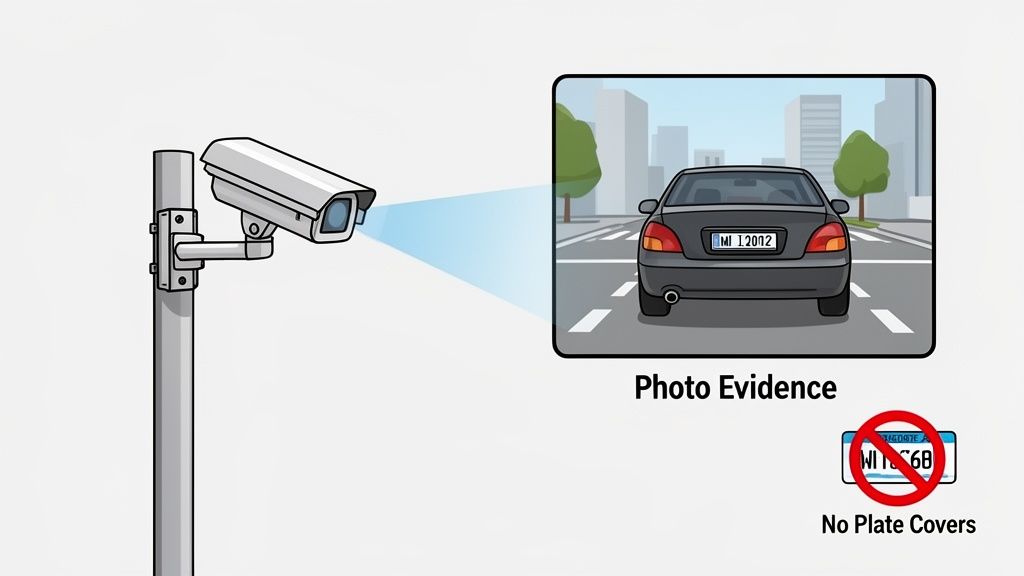
You’ve probably seen them popping up more and more: red-light cameras and other automated enforcement systems. While they’re meant to make our roads safer, they’ve also sparked a lot of debate about fairness and accuracy. In response, Florida has passed new traffic laws for 2026 that are set to change how these cameras work and how tickets are issued, ultimately giving more power back to drivers.
At the same time, the state is getting tougher on a related problem—drivers who try to hide their license plates to avoid getting caught by cameras and toll readers. These two efforts go hand-in-hand, creating a balance between modern enforcement and every driver’s rights. Knowing what’s changed is key to staying on the right side of the law.
More Proof Required for Camera Tickets
One of the most welcome changes aims to stop you from getting a ticket that isn’t really yours. For years, a camera ticket could be mailed to you based on nothing more than a photo of your car. This created a huge headache if a friend or family member was borrowing your vehicle, leaving you in the frustrating position of having to prove you weren’t the one driving.
Thankfully, those days are ending. New regulations now require that any ticket from an automated traffic camera must include clear photographic or video evidence that actually documents the violation. This change, driven by legislative bills like HB 521 and SB 654, is a huge step toward reducing errors and gives you solid proof to work with if you decide to fight an unfair ticket.
This is a major win for Florida drivers. It means automated tickets must now be backed by undeniable evidence. So, if a camera-issued ticket shows up in your mailbox, the first thing you should do is inspect the evidence.
- Is there a clear image? The photo or video has to clearly show your vehicle running the red light or committing the infraction.
- Is the violation obvious? Blurry or ambiguous photos are no longer good enough. The evidence must clearly capture the violation as it happened.
Think of it like an instant replay in a football game. The referees can’t throw a flag unless they have clear, indisputable proof that a rule was broken. The same standard now applies to these camera tickets.
If the evidence they send you is weak or missing altogether, you have a very strong case for contesting the ticket. For a deeper look into the rules these camera systems must follow, check out our complete guide on red-light cameras in Florida.
Cracking Down on Obscured License Plates
While one new law holds traffic cameras to a higher standard, another is aimed at drivers who try to cheat the system. Police officers and toll authorities need to be able to read your license plate clearly, and any cover, frame, or device that gets in the way is now officially illegal.
The state has passed new laws, like HB 253, that specifically ban the sale and use of any product designed to hide or obscure a license plate. What was once a legal gray area is now black and white.
What Is Now Illegal?
- Tinted or Smoked Plate Covers: Any cover that makes the plate darker or harder to read is strictly forbidden.
- Reflective Sprays or Films: Those products you see online that claim to reflect a camera’s flash are now explicitly banned.
- License Plate Frames: Even a simple decorative frame is illegal if it covers any part of the numbers, letters, or the “Sunshine State” text on your plate.
- Hinged Devices: Any gadget designed to flip your plate down or cover it while you’re driving is definitely illegal.
The penalties here are designed to hit both drivers and the businesses that sell these items. If you’re caught with an illegal plate cover, you could face fines and a moving violation. For drivers, the takeaway is simple: make sure your license plate is completely clean and unobstructed. A quick glance before you hit the road is all it takes to stay compliant.
What Traffic Enforcement Trends Mean for You
Knowing Florida’s new traffic laws is a great start, but it’s only half the story. The real question is, how are these rules being enforced on the road? State data is showing a major shift in what law enforcement is cracking down on, and being unaware of these trends can easily land you a ticket when you least expect it.
The biggest takeaway? Speeding is officially public enemy number one. In 2025, Florida saw a staggering 29% surge in speeding tickets compared to the year before. That’s not a small jump. Data from the Florida Highway Safety and Motor Vehicles shows officers handed out nearly 1 million speeding tickets in 2025, a massive increase from the roughly 744,000 written in 2024. You can explore more details about these traffic enforcement trends to see the full scope of what’s happening.
This isn’t just a statistical blip; it’s a clear signal from law enforcement agencies across the state. They’re watching, and that little bit of “extra” speed you used to get away with is now a much bigger gamble.
Enforcement Varies Greatly by County
Here’s where it gets really interesting: enforcement isn’t consistent across Florida. Where you’re driving has a huge impact on your chances of getting pulled over. It’s not just about some areas having more officers; it’s about different local priorities and how they’re using technology.
For instance, some counties are all-in on automated enforcement. Miami-Dade saw a huge spike in citations, much of it driven by more red-light cameras and automated speed traps. For drivers there, it means you have to be extra vigilant at intersections and in any zone monitored by cameras.
Meanwhile, other counties are heading in the opposite direction. Okaloosa County, up in the Panhandle, actually saw its traffic citations plummet by a surprising 50%. That doesn’t mean it’s a free-for-all, but it does suggest their enforcement resources are focused elsewhere.
This county-by-county difference is crucial. There’s no single enforcement strategy in Florida. Your risk level literally changes as you cross county lines, which makes your own situational awareness and safe driving habits the only things you can truly count on.
What This Means for Your Driving Habits
When you look at these trends, the conclusion is simple: defensive driving is no longer just a good idea, it’s essential. With enforcement dialed up in so many areas, hoping you just won’t get caught is a strategy that’s bound to fail. The only real way to protect your driving record is to make safe driving a deliberate, consistent habit.
Here are a few things you can do right now to adapt:
- Drive Like You’re Being Watched: Whether it’s a trooper on the median or an automated camera, just assume you’re being monitored. This simple mental shift is often enough to keep your speed in check.
- Know the Hot Spots: If you live in or regularly drive through a county known for high enforcement, stay on high alert. Pay attention to known speed traps and camera locations.
- Make Good Habits Automatic: Don’t just tap the brakes when you see a police car. Make it second nature to follow the speed limit, always use your turn signal, and keep a safe distance from the car ahead.
At the end of the day, these enforcement trends simply underscore the purpose of the new laws themselves—to make Florida’s roads safer. By building these habits, you’re not just avoiding a costly ticket and points on your license; you’re doing your part to protect yourself and everyone else you share the road with.
How to Protect Your Driving Record from Points
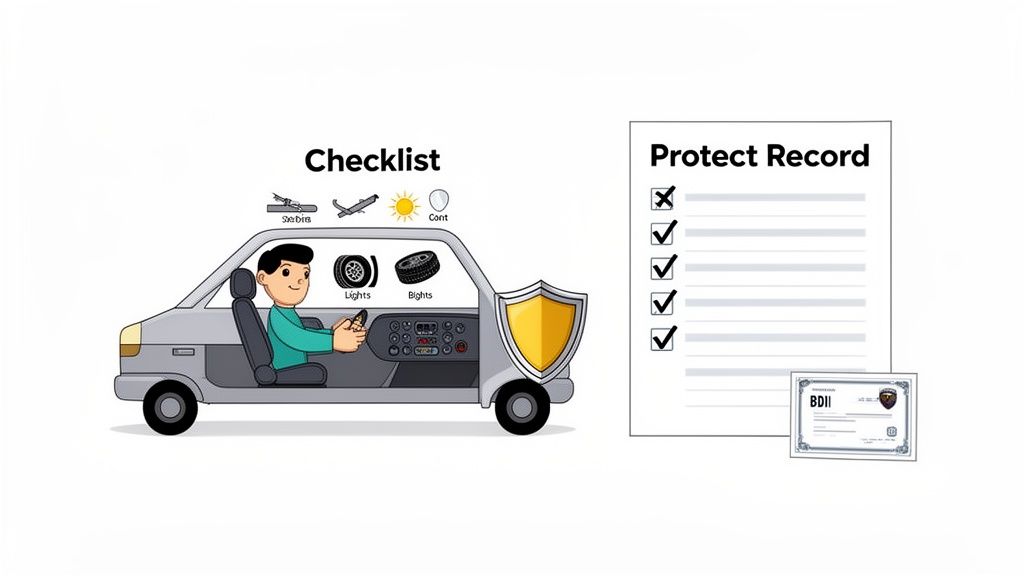
Knowing the new Florida traffic laws is one thing, but making them second nature is how you truly keep your driving record clean. Protecting your license from points isn’t a matter of luck; it comes down to building smart, consistent habits every time you hit the road. After all, a clean record keeps your insurance rates down and saves you from the major headache of a potential license suspension.
So, what does that look like in the real world? It means shifting from a reactive mindset to a proactive one. For instance, don’t wait to see flashing emergency lights right behind you. Instead, get in the habit of constantly scanning the shoulder far ahead, which gives you plenty of time to move over for a disabled car without making a sudden, risky maneuver.
Proactive Steps for Roadway Compliance
Staying on the right side of the law is simpler than it sounds. It really just boils down to a few preventative actions—think of it as a quick pre-flight check before you even put the car in drive. A quick look-over can be the difference between a smooth trip and an expensive ticket.
Here are a few key habits that can make a world of difference:
- Scan for Any Car on the Shoulder: Don’t just look for police or emergency vehicles. The expanded Move Over Law means you need to treat any car with its hazard lights on with the same caution.
- Give Your License Plate a Glance: Before heading out, do a quick walk-around. Is your plate frame blocking any part of the “Florida” text or the registration sticker? With the new focus on obscured plates, this five-second check is more critical than ever.
- Test Your Lights: It’s easy to forget, but you should regularly confirm your headlights, brake lights, and hazard lights are working properly. If your car breaks down, a non-working hazard light could mean you aren’t protected under the very law designed to keep you safe.
These small, simple actions are your best defense. By making them routine, you dramatically cut your risk of getting pulled over for something easily avoidable.
What to Do If You Get a Traffic Ticket
Even the most careful drivers can make a mistake. If you get pulled over and handed a ticket, don’t panic. What you do next is what really matters for protecting your driving record. Your main goal is to keep points off your license, which are the real culprits behind insurance hikes and suspensions.
When you get a non-criminal moving violation in Florida, you have a powerful tool at your disposal. Electing to attend a traffic school course is often the smartest move you can make. It demonstrates responsibility and helps you avoid long-term consequences.
For most common tickets, your best bet is to elect to take a Basic Driver Improvement (BDI) course. This 4-hour course is designed specifically for drivers ticketed for non-criminal violations like speeding or failing to obey the Move Over Law.
Here’s why a BDI course is such a game-changer:
- No Points on Your License: Once you complete the course, the state agrees not to add points to your record for that ticket.
- No Insurance Increases: By law, your insurance company can’t use that specific violation to raise your rates.
- You Become a Safer Driver: The course is a fantastic refresher on defensive driving techniques and new Florida laws.
In more serious cases, like when a judge orders you to attend traffic school, you might need an Intermediate Driver Improvement (IDI) course. This 8-hour program takes a deeper dive into traffic laws and safe driving habits. The goal is the same: to help you resolve the citation and stay in good standing with the court and the FLHSMV.
While these rules are specific to Florida, the principles are similar elsewhere. For example, drivers in other states often look for information on how to remove points from your driving record to manage their own situations. If you want to learn more about the Florida-specific process, check out our guide on how to remove points from your driving record in the Sunshine State.
What Future Florida Traffic Laws Are on the Horizon
If there’s one thing you can count on, it’s that Florida’s traffic laws don’t stand still for long. Lawmakers in Tallahassee are always looking at new ways to address safety issues and keep up with technology. Just as we’ve seen recent updates to the Move Over Law, the next wave of changes is already being debated.
Knowing what’s being discussed gives you a heads-up on where driving regulations are headed. This isn’t about being a legal expert; it’s about being a smart, prepared driver.
Tougher Rules for Child Safety
A major conversation happening right now revolves around keeping our youngest passengers even safer. Current laws provide a baseline, but many safety advocates and pediatricians believe Florida can do better. Some of the proposals would bring our state in line with stricter, data-backed recommendations.
Here’s what they’re looking at:
- Extending Rear-Facing Requirements: The push is to mandate that children stay in rear-facing car seats until at least age two, unless they outgrow the seat’s height and weight limits sooner. This is based on strong evidence that rear-facing seats offer superior protection for a toddler’s head and spine.
- Booster Seat Age Increase: Another potential change is raising the age or size requirements for graduating from a booster seat to a standard seat belt.
These aren’t random ideas. They come directly from crash data and research showing that today’s minimums might not be enough to prevent serious injuries.
Staying informed about these potential new Florida traffic laws isn’t just about avoiding a ticket; it’s about adopting the safest known practices for your most precious cargo. As safety technology and research improve, the laws aim to keep pace.
Firearms and Vehicle Security
Another topic gaining traction is the secure storage of firearms in vehicles. With an unfortunate rise in guns being stolen from cars, some lawmakers are looking to create a clear legal standard.
The goal is a common-sense rule requiring any firearm left in an unattended vehicle to be kept in a locked container or inside a locked glove compartment. This would close a legal loophole and is aimed squarely at preventing theft and keeping guns out of the wrong hands.
New Technology at School Crossings
Finally, expect to see more talk about using technology to protect students. Legislators are considering rules that would bring advanced safety gear to more school zones.
This could mean mandating flashing beacons or even automated speed enforcement cameras specifically at school crossings. The idea is to use technology as an extra layer of protection during those hectic drop-off and pick-up times when kids are most vulnerable.
While these proposals haven’t been signed into law yet, they clearly show where the focus is heading in Florida. The trend is toward smarter, more specific regulations to protect children, pedestrians, and every single person on the road. Staying current is key, and ongoing education, like a course from BDISchool, is one of the best ways to keep up with the ever-changing driving environment.
Frequently Asked Questions About New Florida Traffic Laws
New laws always bring up questions about how they apply in the real world. Let’s tackle some of the most common ones we hear from Florida drivers so you know exactly what to do.
What Should I Do If I Get a Ticket Under a New Law?
Getting a ticket is stressful, but the first thing to do is take a breath and look at your options. The main goal is always to keep points off your driving record, which is what triggers insurance rate hikes.
For most common moving violations, like a ticket under the new Move Over Law, your best bet is usually to elect to take a Basic Driver Improvement (BDI) course. When you complete a state-approved course, you’re guaranteed to get no points on your license for that ticket, and your insurance company can’t use it to raise your rates.
How Does the Move Over Law Work on Roads Without Shoulders?
This is a great question. The updated Move Over Law still applies even when there’s no paved shoulder to move into.
If you see a stopped vehicle with its hazard lights on—even if it’s on the grass or a dirt patch next to a two-lane road—you’re required to take action. On a two-lane road where you can’t move over, the law says you must slow your speed to 20 mph below the posted limit. If the speed limit is 25 mph or lower, you need to slow down to just 5 mph.
The goal is always to create a buffer of safety. Just because there’s no pavement doesn’t mean your responsibility disappears. Think of it as creating a “slow-motion” safety zone around that stranded driver.
Will My Traffic School Course Cover These New Regulations?
Yes, absolutely. All state-approved traffic schools, including our BDI and IDI programs, are required to keep their curriculum current with Florida’s traffic laws. We update our courses as soon as new statutes go into effect.
This is a huge part of what makes the course valuable. It’s not just about getting a ticket dismissed; it’s about making sure you’re up-to-date on the rules you need to follow every day, including all the new Florida traffic laws.
Are Online BDI Courses Accepted in All Florida Counties?
They sure are. Any state-approved online Basic Driver Improvement (BDI) course is accepted by the clerks of court in all 67 Florida counties, from the Panhandle down to the Keys. This makes it a simple and consistent option for every driver in the state.
So, whether you got a ticket in a big city like Jacksonville or a small rural town, you have the right to choose an online BDI course to handle it. You can get it done from home and on your own schedule, all while keeping points off your record.
Don’t let one traffic ticket mess up your driving record or your insurance budget. At BDISchool, our state-approved online courses are the fastest, simplest way to put that citation behind you and become a more informed driver. Enroll in a course today and protect your record.