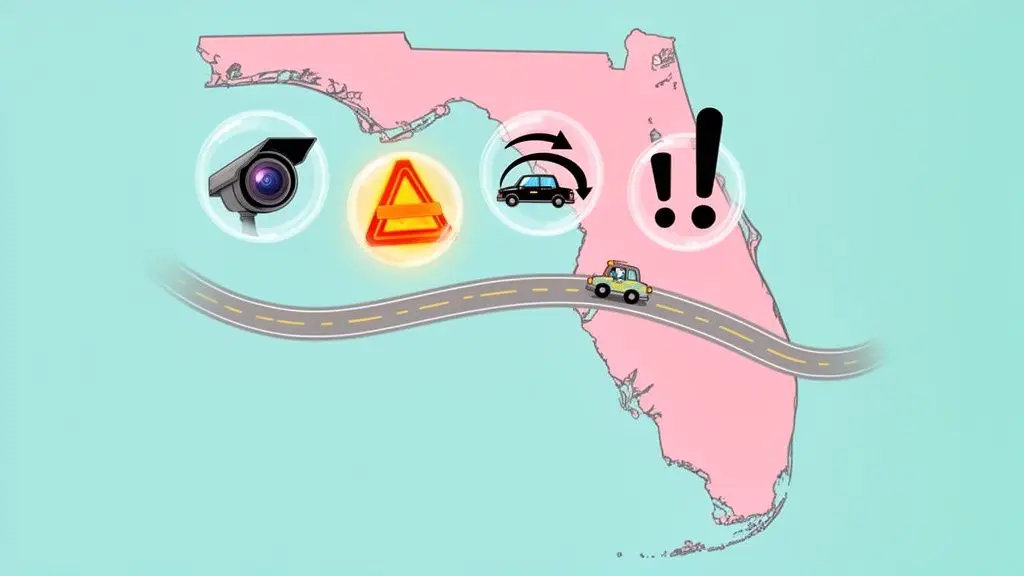
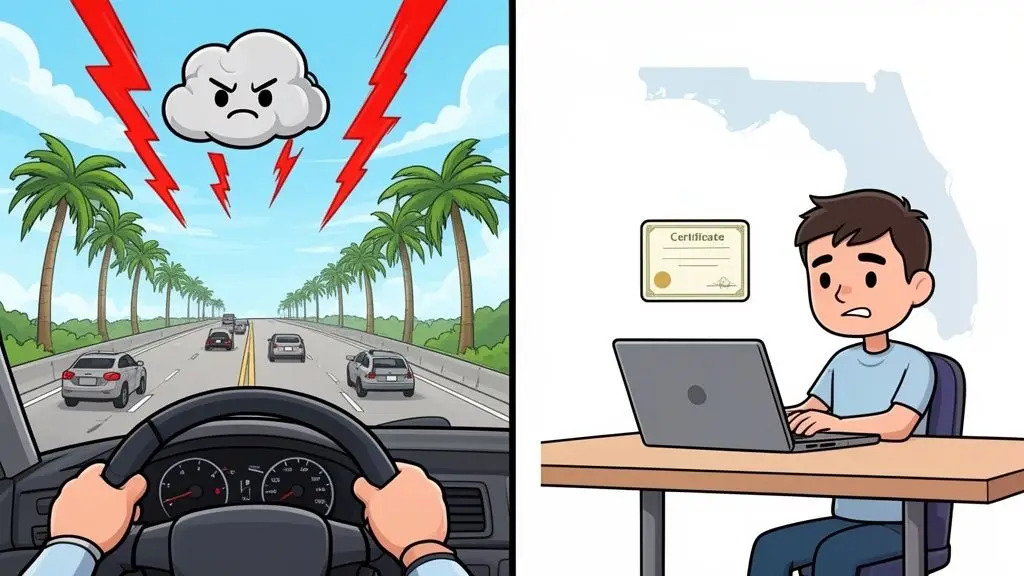
We’ve all seen it, and if we’re being honest, many of us have done it. Aggressive driving isn't just about being in a bad mood—it's a conscious and dangerous pattern of behavior. It’s the decision to put impatience ahead of safety, involving actions like speeding, tailgating, and reckless lane changes that endanger everyone.
This isn’t just a minor issue; it's a full-blown crisis on our roads.
Defining Aggressive Driving and Its Alarming Reality
Think of aggressive driving as a high-stakes gamble with someone else's life. Every time a driver weaves through traffic or tailgates, they're betting that saving a few seconds is worth the risk of a catastrophic accident. It's not a one-off mistake; it's a deliberate series of actions intended to intimidate, obstruct, or simply disregard other drivers.
Just how common is it? The numbers are truly staggering. A 2026 study from the AAA Foundation for Traffic Safety uncovered a shocking truth: 96% of drivers admitted to engaging in at least one aggressive driving behavior in the last year. Even worse, this behavior is a factor in 66% of all traffic fatalities. You can dig deeper into the data in the full AAA Foundation report on aggressive driving.
This infographic puts the problem into sharp perspective, showing just how widespread these actions are and the deadly consequences they carry.

These figures tell a grim story. Nearly every person behind the wheel has participated in these risky behaviors, which contribute to a shocking two out of every three deaths on the road.
Common Aggressive Driving Behaviors
To protect yourself, you first need to know what you're looking for. Aggressive driving isn’t a single act but a collection of specific, hazardous maneuvers. It’s what happens when someone treats a public road like their personal racetrack.
This table breaks down the most frequent aggressive driving actions, explains why each is dangerous, and shows how common they are.
| Behavior | What It Looks Like | The Hidden Danger |
|---|---|---|
| Excessive Speeding | Going well over the speed limit or driving too fast for road conditions (e.g., rain, heavy traffic). | It drastically cuts down your reaction time and turns a minor fender-bender into a life-threatening collision. |
| Tailgating | Following the vehicle ahead so closely that their bumper fills your windshield. | This is pure intimidation. It leaves zero margin for error if the driver in front needs to brake suddenly. |
| Improper Lane Changes | Weaving between lanes, cutting people off, or failing to use a turn signal. | These erratic and unpredictable movements are a leading cause of side-swipes and multi-car pile-ups. |
| Running Red Lights | Accelerating to "beat" a yellow light or blatantly driving through a light that has already turned red. | This often results in high-speed, T-bone collisions at intersections—one of the most fatal types of crashes. |
These actions might feel like a way to get ahead, but they are a direct threat to public safety. Recognizing these behaviors—both in others and in our own driving habits—is the first and most critical step toward making our roads safer for everyone.
Aggressive Driving vs. Road Rage: Understanding the Difference

On the road, we often hear the terms 'aggressive driving' and 'road rage' used interchangeably. But in reality, they represent two very different things. Understanding this difference is key—not just for knowing what is aggressive driving, but for recognizing when a tense traffic situation is about to spiral into genuine danger.
It really boils down to intent. Think of aggressive driving as a series of bad, selfish traffic decisions—like speeding, tailgating, or weaving through lanes. The goal is to get somewhere faster, even if it means putting others at risk.
Road rage, on the other hand, is when that impatience and frustration explode. It’s no longer about the traffic ticket; it's personal. The car becomes a weapon, and the driver’s goal shifts from getting ahead to intimidating, confronting, or even harming another person.
The Path from Annoyance to Assault
So, what pushes a driver over the edge? It's rarely just one thing. The anonymity of being inside a car, combined with the stress from work or personal life, can create a powder keg. A simple mistake by another driver can be the spark that ignites it.
An aggressive driver is focused on their destination. A driver in a state of road rage is focused on you.
This is where a traffic violation becomes a criminal act. An aggressive driver might cut you off and speed away. But someone in a fit of road rage might slam on their brakes right in front of you, follow you for miles, or try to run you off the road. The legal consequences escalate just as quickly, potentially leading to serious Road Rage Assault Charges.
When Anger Turns Deadly
The outcome of this escalation can be tragic. Over a seven-year period in the U.S., road rage was the direct cause of 218 murders and another 12,610 injuries. It's a sobering reminder of how quickly things can get out of hand.
Making matters worse, firearms are becoming more common in these confrontations. Today, an estimated 37% of aggressive driving incidents involve a gun.
Knowing how to spot this progression is your best defense. When you see the warning signs—in another driver or even yourself—you have a chance to de-escalate the situation before it's too late. Learning how to handle road rage isn't just a good idea; it's a critical survival skill for every driver.
Who Is an Aggressive Driver A Look at the Data

While any driver can have a bad day and make a poor decision, the data on aggressive driving shows some undeniable trends. It’s not about pointing fingers, but about understanding where the risks are highest. When we know what contributes to aggressive behavior on the road, we're all better equipped to handle it.
So, who is the most likely culprit? Statistics consistently point toward younger drivers, especially men. This isn't a huge surprise when you consider factors like inexperience, a greater willingness to take risks, and just plain old youthful impatience.
The Demographics of Dangerous Driving
When you dig into the research, a pretty clear profile of the typical aggressive driver begins to emerge. Age is, by far, one of the biggest factors, with risky behaviors really ramping up in the late teens and early twenties.
Over 30% of adults aged 19-24 admit to driving aggressively, which is the highest rate of any age group.
This pattern doesn't just vanish after the teen years. Working adults from 25 to 39 also show a higher tendency for hostile driving. There's also a noticeable gender gap. Over 50% of men confess to breaking the speed limit by 15 MPH on highways—the most common form of aggressive driving—while 45% of women say they do the same. This detailed breakdown of aggressive driving trends offers even more insight.
Hotspots and Environmental Triggers
It’s not just who you are, but where you’re driving. The environment itself can turn up the heat, creating the perfect storm for aggressive behavior.
- Regional Trends: States with heavy traffic and notoriously congested roads—like Texas, California, and North Carolina—consistently report the highest numbers of fatalities from speeding. This is a direct result of aggressive driving becoming the norm.
- Florida's Congestion: Here in Florida, our packed highways and constant stream of tourist traffic can test anyone's patience. That stress can easily boil over, turning a simple commute into a series of dangerous, aggressive maneuvers.
This all goes to show that aggressive driving is a complex issue, fueled by both our own habits and the pressures of the road. That’s why mastering the fundamentals of Florida traffic safety for all drivers is so critical for navigating these challenging conditions with a cool head.
The Legal Consequences of Aggressive Driving in Florida
Many drivers dismiss aggressive driving as just being "impatient" or "in a rush." But in the eyes of Florida law, it's a completely different story. These aren't just bad manners—they are illegal traffic offenses that carry serious penalties, hitting your license, your wallet, and even your freedom.
Florida has specific laws designed to crack down on the dangerous behaviors that define aggressive driving. These violations are treated much more severely than a simple speeding ticket because they actively put other people at risk. Think of the penalties as a powerful deterrent, a clear warning that a few moments of frustration can spiral into long-term legal headaches.
Florida's Stance on Aggressive and Reckless Driving
So, where does Florida draw the line between a bad day and a criminal offense? The law makes important distinctions, with penalties getting steeper based on how reckless a driver is.
A major one to know is reckless driving. Under Florida Statute 316.192, this means driving with a "willful or wanton disregard for the safety of persons or property." This isn't just a moving violation. It's a criminal offense.
The state also targets aggressive careless driving. This happens when a driver gets a careless driving ticket while also committing at least two other specific aggressive acts, such as:
- Excessive speeding
- Unsafe lane changes
- Tailgating
- Failing to yield
- Running red lights or stop signs
When law enforcement sees this pattern, they don't just see a driver in a hurry. They see a deliberate and dangerous disregard for everyone else on the road.
Racking up multiple aggressive violations can quickly elevate a basic traffic ticket into a significant legal battle. The fallout goes way beyond a fine, leaving a lasting mark on your driving record and causing your insurance premiums to skyrocket.
Penalties You Can Expect in Florida
The exact penalties for aggressive driving in Florida can vary, but one thing is constant: they are strict. The entire system is built to stop dangerous habits before they cause a tragedy. If aggressive driving leads to a crash, the consequences can be life-altering, potentially including serious hit and run charges.
To give you a clearer picture, here’s a breakdown of common offenses tied to aggressive driving in the Sunshine State and what you could be facing.
Florida Penalties for Aggressive Driving Offenses
| Florida Statute | Offense | Potential Penalties (Fines, Points, etc.) |
|---|---|---|
| 316.192 | Reckless Driving | A first offense can mean up to a $500 fine, 90 days in jail, and 4 points on your license. The penalties get much worse for repeat offenses. |
| 316.085 | Improper Passing | Expect a fine plus 3 points added to your license. |
| 316.183 | Unlawful Speed | Fines increase with speed, but going 30+ MPH over the limit triggers a mandatory court appearance and can result in 4 points. |
| 316.089 | Unsafe Lane Change | This will cost you a fine and 3 points on your license. |
As you can see, those points add up fast. It’s critical to understand how the Florida traffic ticket point system works to avoid a license suspension.
The good news is that if a court orders you to take a course, completing an 8-hour Aggressive Driver Course can help you meet the legal requirements and get back on the right track.
How to Handle an Aggressive Driver Encounter

It's a situation every driver dreads: you're driving along, and suddenly you're the target of someone else's frustration. It can be rattling, but how you react in that moment makes all the difference. The best approach is always a mix of smart, proactive driving to avoid trouble in the first place and a calm, reactive plan for when you can't.
Ultimately, your goal is to make yourself an uninteresting target. You do this by practicing solid defensive driving and creating a kind of "bubble of safety" around your vehicle. This isn't about being timid; it's about being in complete control of your own space on the road.
Prevention: Creating Your Bubble of Safety
It all starts with managing the space around your car. The single most effective thing you can do is maintain a safe following distance. That means leaving at least three to four seconds of space between you and the car ahead. This buffer not only gives you time to react to sudden stops but also prevents other drivers from thinking you're the one tailgating—a classic trigger for aggressive reactions.
Proper lane etiquette is just as important. On a highway, the left lane is for passing, not for cruising. If you hang out there, you're bound to frustrate faster drivers and invite an aggressive response. Think of it as blocking the express checkout line at the grocery store.
Follow these simple rules to fly under the radar:
- Stay Out of the Left Lane unless you're actively passing another car. Once you're clear, move back to the right.
- Use Your Turn Signals every single time you change lanes or make a turn. Clear communication prevents misunderstandings.
- Avoid Abrupt Maneuvers like slamming on the brakes or swerving unexpectedly. These moves can easily be seen as hostile.
When you drive predictably and give other drivers their space, you dramatically lower your chances of attracting the wrong kind of attention.
De-escalation: Your Step-by-Step Response
Even if you do everything right, you might still find yourself in the crosshairs of an aggressive driver. When this happens, your only goal is to disengage. Your ego has no place behind the wheel in a situation like this.
Remember, you can't "win" an argument with an aggressive driver on the road. The only real victory is getting where you're going in one piece.
If someone is right on your bumper, weaving around you, or making angry gestures, here’s exactly what you need to do to stay safe.
- Do Not Engage. This is the golden rule. Avoid eye contact, don't gesture back, and resist the urge to use your horn. Any response, no matter how small, can be interpreted as a challenge and will only make things worse.
- Create Distance. If they're tailgating you, find a safe opportunity to change lanes and simply let them pass. If they're pacing you from the next lane, just ease off the gas a bit and let them move on. Your priority is putting space between their car and yours.
- Stay in Your Vehicle. Never, ever pull over to confront another driver. Keep your doors locked and your windows up. Your car is a two-ton steel shield—use it.
- Call for Help If It Escalates. If the other driver starts following you or tries to run you off the road, do not drive home. Call 911 immediately. Tell the dispatcher you're being followed and ask for instructions. Your safest bet is to drive to the nearest police station, fire department, or any busy, well-lit public place.
When to Take an Aggressive Driver Course
Let's be honest—we all have our moments of frustration on the road. But when does a bad day turn into a dangerous habit? The first, and hardest, step is admitting that your driving might be the problem.
How do you know when you've crossed the line from simple impatience to a pattern that needs to be addressed? The biggest misconception is that you only take an aggressive driving course when a judge tells you to. In reality, the smartest move is often taking action on your own, before it gets to that point.
Choosing to take a course shows you're self-aware and ready to get to the bottom of what's causing your risky driving. Think of it as an investment in your own safety, your future on the road, and even your wallet.
Self-Assessment Warning Signs
If any of the following sounds a little too familiar, it's a strong signal that a specialized course could make a real difference. It’s probably time to act if you:
- Find yourself feeling angry or constantly stressed behind the wheel.
- Frequently resort to tailgating, speeding, or weaving through traffic.
- Have been pulled over and ticketed more than once in the past year.
- Consistently feel like other drivers are out to get you.
- Have had friends or family mention that your driving makes them nervous.
Taking an aggressive driver course isn't an admission of failure; it's a commitment to becoming a safer, more responsible driver for yourself and everyone else on the road.
This is exactly where a structured program can help you turn things around. For instance, completing a specialized 8-hour course can help you meet court or state requirements from the Florida Department of Highway Safety and Motor Vehicles (FLHSMV), keep points off your license, and may even help you get an insurance discount.
You can learn more about how our 8-hour Aggressive Driving Course gives you practical tools to manage frustration and break those risky habits. The whole point is to focus on emotional control and defensive driving skills, putting you back in charge and making Florida's roads safer for everyone.
Frequently Asked Questions About Aggressive Driving
Even when you know the definition of aggressive driving, figuring out what to do in a tense, real-world moment is another story. Let’s tackle some of the most common questions drivers have when they find themselves in these stressful situations.
What Should I Do if an Aggressive Driver Is Following Me?
First and foremost, do not lead them to your house. Your top priority is safety, which means getting to a very public, well-lit place.
Lock your doors and immediately head for the nearest police station or fire department. If one isn't close, drive to a busy shopping center or gas station where there are plenty of people and cameras.
While you're driving, call 911. Tell the dispatcher you are being followed and give them your current location. If you can safely see the other car's make, model, and license plate, provide that information, but don't do anything that takes your focus off driving safely. Whatever you do, don't stop, get out of your car, or engage with the other driver.
Can I Get Points on My License for One Act of Aggressive Driving?
Absolutely. In Florida, a single ticket for an action considered aggressive driving can put points right onto your license. For example, a conviction for reckless driving—a classic aggressive behavior—adds 4 points to your driving record.
Depending on the circumstances and your driving history, you might be eligible to take a Basic Driver Improvement (BDI) course. Successfully completing one can help you avoid having points added for certain traffic violations.
Key Takeaway: An aggressive driving ticket isn't just about the immediate fine. It has a direct, and often lasting, impact on your driving record and your ability to stay on the road.
Will My Insurance Go Up After an Aggressive Driving Ticket?
You should count on it. Insurance companies see aggressive driving tickets as massive red flags for risky behavior, and that almost always leads to higher premiums. From their perspective, a ticket for something like reckless driving or extreme speeding means you're a much bigger liability to insure.
On the flip side, some insurance providers offer discounts if you voluntarily complete a defensive driving course. It won't erase the ticket, but it can help offset the rate hike by showing you’re committed to being a safer driver.
Whether you need to satisfy a court order, manage points on your license, or simply want to become a more confident driver, BDISchool has a state-approved online course for you. You can check out all the options for Florida drivers at https://bdischool.com.