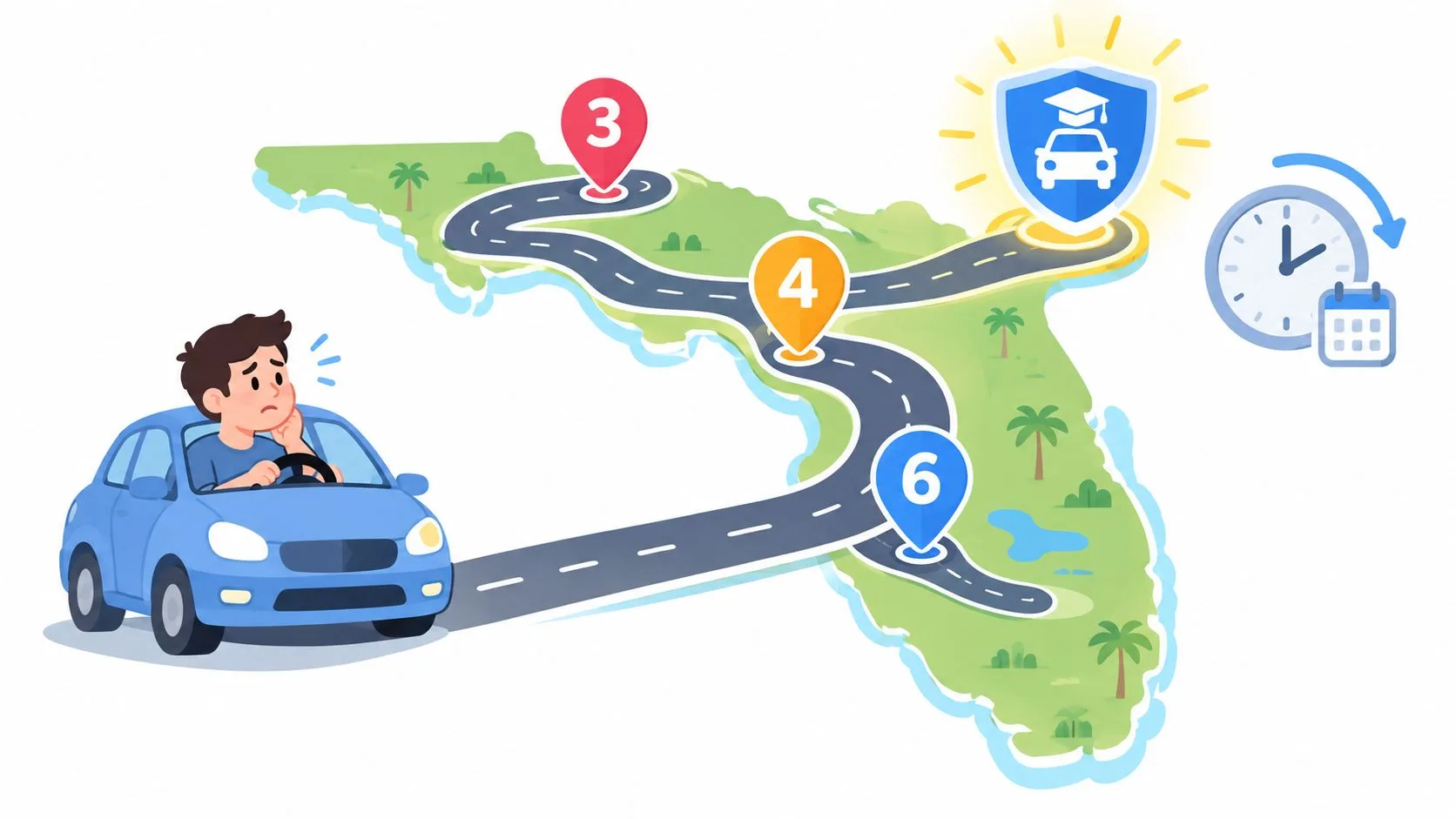
You’ve got the notice in your hand, the court date is sitting there, and now you’re trying to figure out whether you can keep the point off your record without turning your week upside down. That’s exactly where traffic school online DMV makes sense, especially if you need a fast, approved path to compliance and you don’t have time for a classroom across town.
The smart move is simple, get the right course, finish it on your schedule, and make sure the certificate gets where it needs to go. If you want a practical checklist for cutting ticket stress while keeping your car spotless, professional car detailing advice is a useful side resource, but your first priority is compliance. For a direct breakdown of what traffic school can and can’t change on the ticket itself, see does traffic school reduce ticket cost.
Why Florida Drivers Choose Online Traffic School
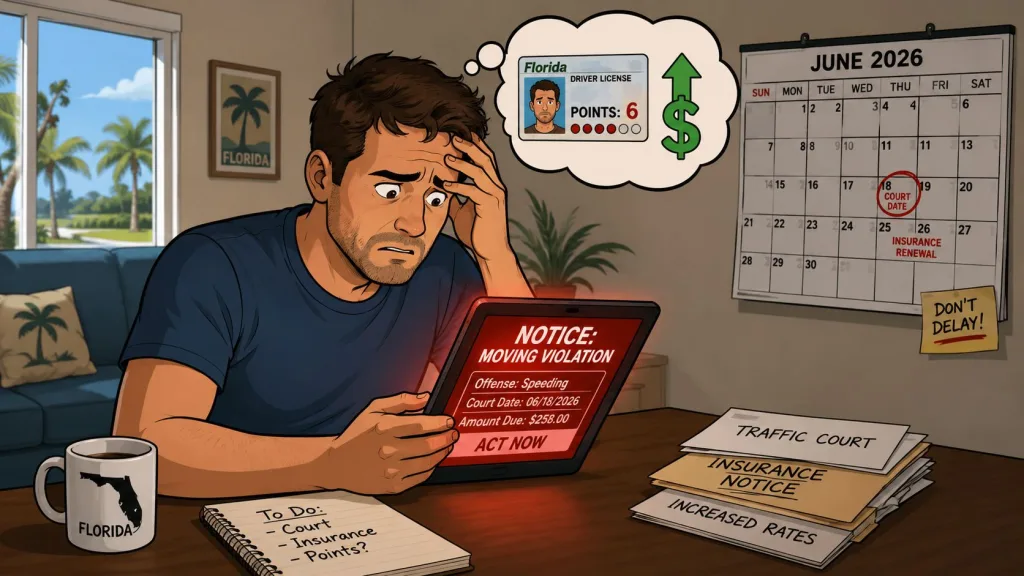
A Florida driver gets a moving violation notice on a Tuesday afternoon, then spends the rest of the day doing the same math everyone does. Will this add points? Will insurance notice? How fast can I fix it before the deadline turns the whole thing into a bigger problem?
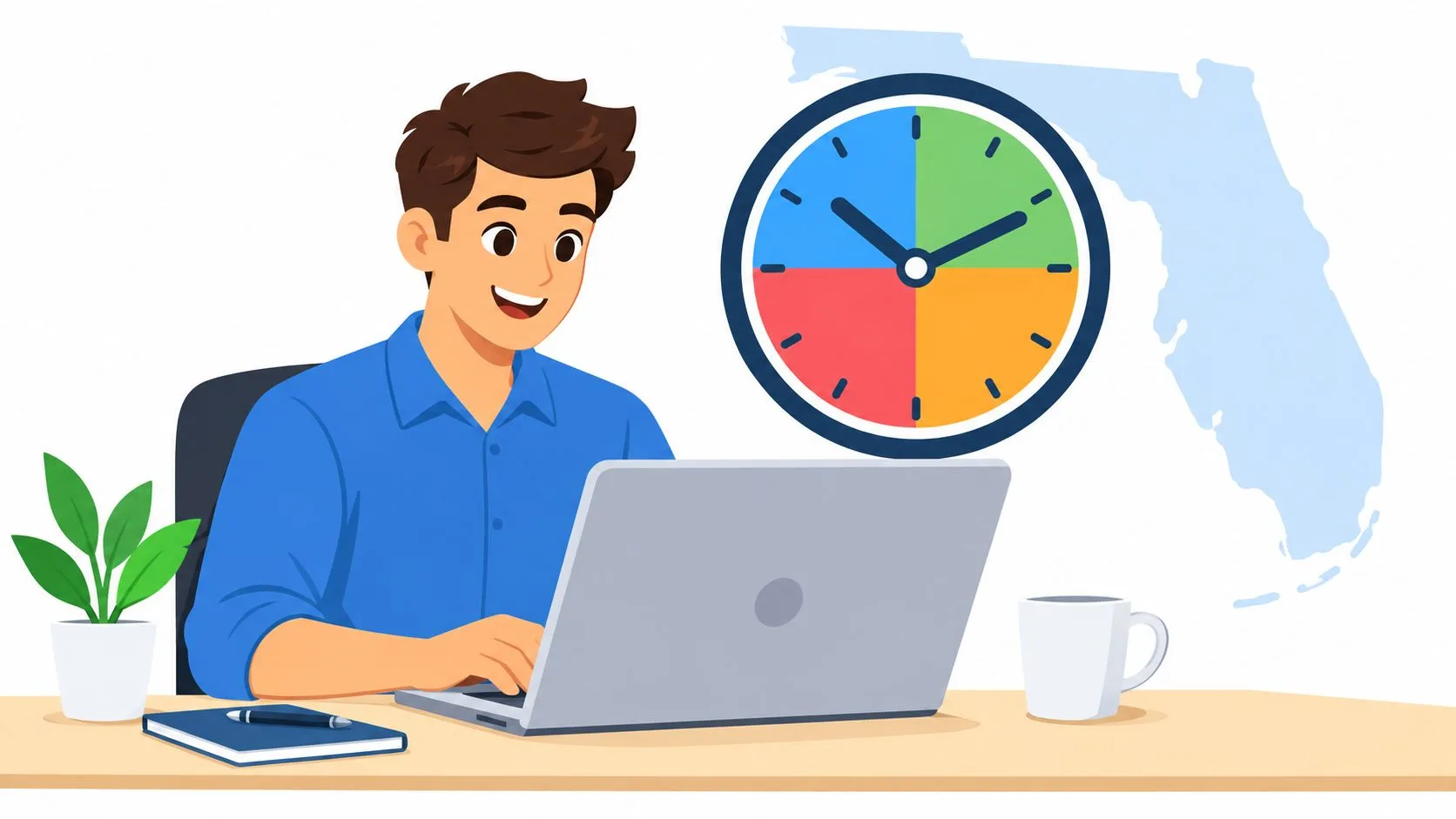
That’s why online traffic school keeps winning. It lets drivers handle the requirement from a phone, tablet, or laptop, without losing a workday or sitting in a classroom that doesn’t fit a busy schedule.
Florida drivers also want one thing above all, clean compliance. A course that’s accepted, completed correctly, and reported the right way is better than trying to wing it with a random online class that may not count.
Practical rule: if the course doesn’t clearly show state approval and reporting, don’t enroll.
Florida’s market is large enough to prove the point. Official DHSMV-based data show LowestPriceTrafficSchool.com ranked first for student completions in Online Basic Driver Improvement and Online TLSAE for 10 of the last 20 years, including the last 4 years in a row, with completions of 112,000 in 2021, 132,000 in 2022, 132,000 in 2023, and 121,000 in 2024. That kind of volume shows how far online demand can go in a single state market, and it’s exactly why drivers expect fast enrollment and electronic reporting now. The reference is here: LowestPriceTrafficSchool.com reported completions and ranking history.
Busy drivers don’t want marketing fluff. They want a course that works, a certificate that’s accepted, and a process that doesn’t create another headache.
What DMV-Approved Online Traffic School Actually Means
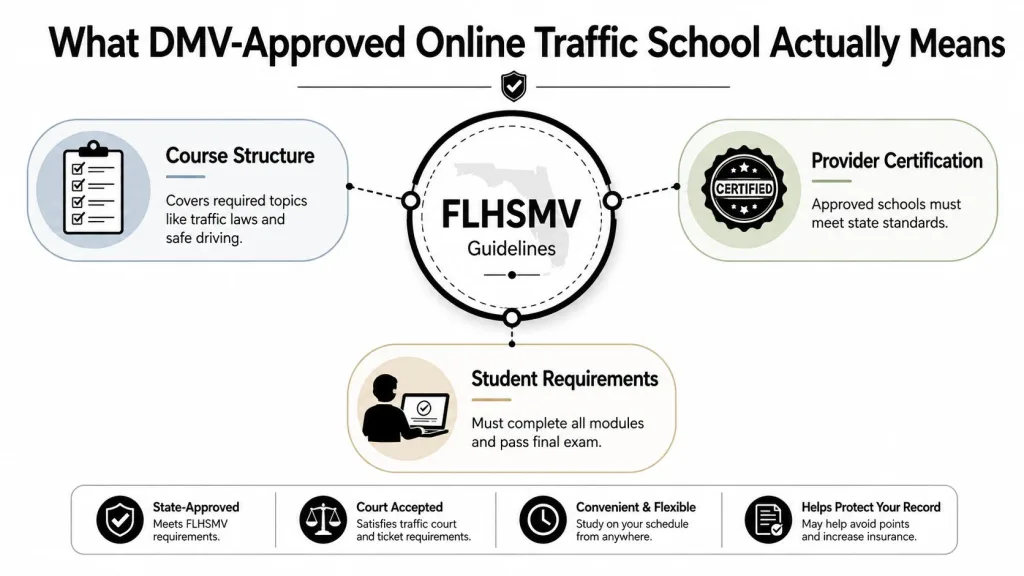
DMV-approved means the course meets the state’s rules, not the provider’s sales pitch. In Florida, that matters because your course has to fit the state’s requirements if you want it to count for point reduction, court compliance, or an insurance-related purpose.
The approval part is what separates a traffic school from a random driver-education website. A legitimate program follows the Florida Department of Highway Safety and Motor Vehicles framework, and that framework is what makes the completion useful in the world.
Approval is the gatekeeper
A course can look polished and still be useless if it isn’t approved. Florida drivers should verify the provider before paying, because unapproved schools don’t create valid compliance.
That’s especially important for drivers who are using the course to meet a legal obligation. A certificate only helps when the court or agency accepts it, and that starts with state approval and proper reporting.
The content has to match the state standard
Approved traffic school isn’t just a video playlist. It covers Florida traffic laws, defensive driving, crash avoidance, impaired driving prevention, and the role attitude plays behind the wheel.
Those topics matter because they’re tied to real safety outcomes, not just to passing a quiz. BDISchool’s Florida programs follow those FLHSMV guidelines and are updated regularly to reflect current statutes and safety campaigns. The state-facing framework is outlined in Florida Highway Safety and Motor Vehicles guidance.
The right course teaches what Florida expects, then proves completion the way Florida expects.
The approval label is not decoration. It is the difference between a course that satisfies a requirement and a course that wastes your time.
Florida Traffic School Courses Explained
Florida doesn’t use one single course for everyone. The right choice depends on why you’re taking traffic school, and picking the wrong one is an easy way to create delays.
Basic Driver Improvement
The Basic Driver Improvement (BDI) course is the one most drivers need after a moving violation. It’s a 4-hour course designed for people who want to address the ticket, avoid points when eligible, and keep insurance trouble from spreading.
Intermediate Driver Improvement
The Intermediate Driver Improvement (IDI) course is an 8-hour option for court-ordered drivers or people who need a deeper safe-driving refresher. It goes beyond the basics because the situation usually calls for more than a simple cleanup course.
Aggressive Driver Course
The Aggressive Driver Course is also 8 hours and is built for habitual offenders or drivers dealing with road-rage issues. The point here is behavioral change, not just checking a box.
Mature Driver Course
The Mature Driver Course is a 6-hour refresher for drivers aged 55 and older who want better safety awareness and may be maintaining insurance discounts. It’s practical, straightforward, and aimed at confidence and caution.
| Course Type | Duration | Who It Is For | Primary Benefit |
|---|---|---|---|
| Basic Driver Improvement | 4 hours | Drivers with moving violations | Helps avoid points and insurance increases |
| Intermediate Driver Improvement | 8 hours | Court-ordered drivers, deeper refresher needs | Meets stronger educational or court requirements |
| Aggressive Driver Course | 8 hours | Habitual offenders, road rage concerns | Focuses on behavior change and responsibility |
| Mature Driver Course | 6 hours | Drivers 55 and older | Improves safety awareness and supports discounts |
All four courses are self-paced, fully online, and available in English, Spanish, and Portuguese. That matters in a state where drivers need convenience and language access without sacrificing compliance.
If you need a course map that keeps the choice simple, start with the requirement, then match the course to it. Don’t guess.
Real Benefits of Completing Your Course Online
The biggest win is not convenience. The biggest win is what the course does for your record, your wallet, and your schedule when it’s completed correctly.
Point dismissal protects more than the current ticket
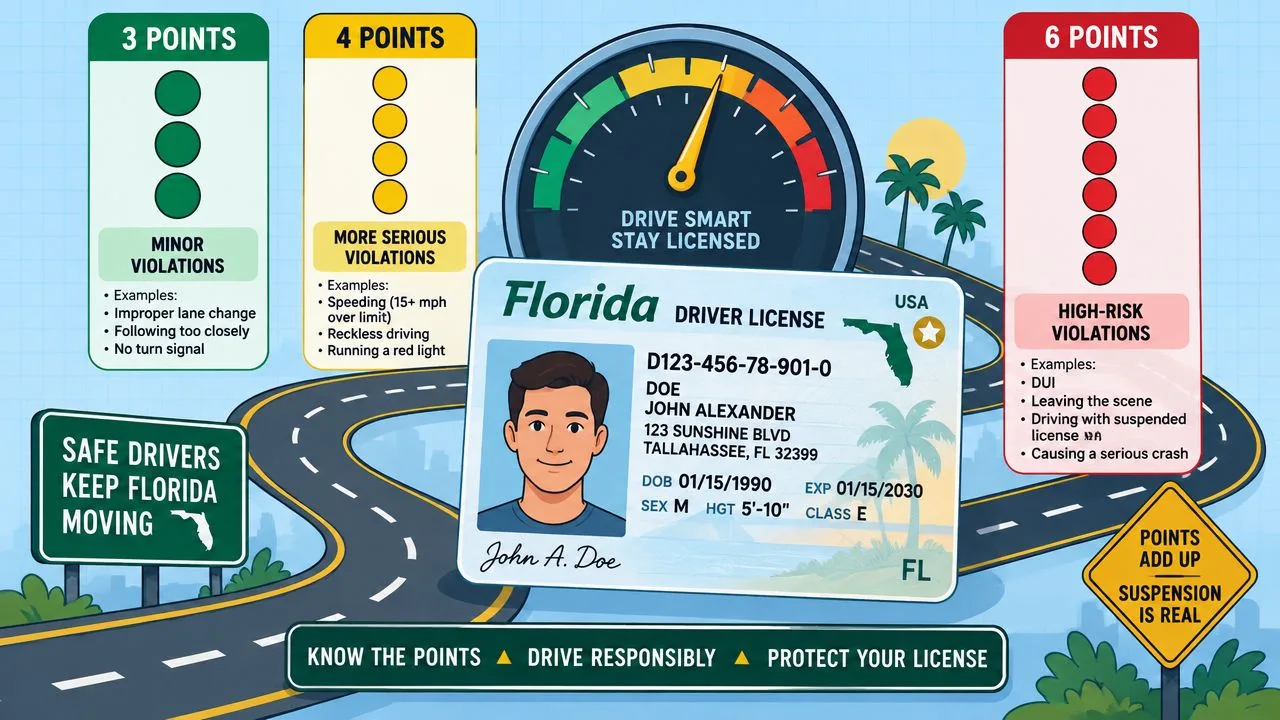
When point dismissal is available, it helps keep a violation from following you around on the driving record. That matters because points can pile up and create bigger problems later, especially for drivers who already have a few marks on file.
One point might look small. In practice, it can be the difference between staying organized and letting the record drift toward suspension risk if more violations appear later.
Insurance discounts can matter over time
Many vehicle insurance companies accept defensive driver certificates when they offer a discount. You should verify the insurer’s current policy, but the practical value is clear, a course that satisfies the state may also support lower costs with the company you already pay.
Court compliance keeps the process moving
When a judge or court expects completion, online traffic school avoids the logistics of showing up somewhere in person. That saves time, avoids missed work, and cuts down on the common mistake of treating a court deadline like a loose suggestion.
Bottom line: if you need the certificate to count, electronic processing beats paper games every time.
BDISchool certificates are issued electronically and reported directly to the FLHSMV, which is exactly what busy drivers want when they’re trying to stay compliant without extra trips. The process is built to close the loop cleanly.
If you’re on the fence, ask a simple question. Does the course solve the legal problem, or does it just make you feel productive for an evening?
How to Enroll and Complete Your Course Step by Step
Start with the right course. If you have a moving violation, a court order, or a special driver profile, match the program to the requirement before you pay anything.
Enrollment is fast at BDISchool courses or at Driver Educators courses, and you can begin immediately after signing up. That matters because people don’t need a long sales process, they need access.
Step 1 Choose the course
Pick the one that fits your citation type or court order. If you’re unsure, use the requirement itself as the guide, not a generic course name.
Step 2 Register and log in
The registration process is straightforward, and once you’re in, you can start right away. That’s the point of online traffic school, no waiting room, no class roster, no fixed start time.
Step 3 Study at your own pace
You can log in and out as needed, study from a phone or tablet, and move through the modules when you have time. The lesson format uses visuals and real-world driving scenarios, which helps the material feel practical instead of dry.
Step 4 Pass the final exam and finish reporting
Once you complete the course, the certificate is issued electronically and reported directly to the FLHSMV. If your court requires proof, you’ve got it in the format the system expects. You can also review the online driving certificate process if you want to understand the completion side before enrolling.
The right workflow is simple. Register, study, pass, and let the certificate move where it needs to go.
How to Choose the Right Approved Provider
Start with approval, then look at usability. If a provider isn’t approved by the FLHSMV, the rest of the features don’t matter.
Florida drivers also need language flexibility. A provider that offers the full curriculum in English, Spanish, and Portuguese is easier to use for more households, more workers, and more schedules.
What to check before you enroll
- State approval first: Verify the provider is accepted for the exact purpose you need, whether that’s point relief, court compliance, or a related requirement.
- Device access: A course should work cleanly on phones, tablets, and laptops, because people don’t always study from a desk.
- Self-paced structure: Busy parents and professionals need log-in, log-out flexibility, not a fixed classroom block.
- Current curriculum: Florida statutes and roadway technologies change, so the course content should be updated regularly.
- Support you can reach: If you get stuck, you want help from real instructors, not a dead end.
That’s where the provider matters as much as the course. BDISchool’s Florida traffic school pages are built around those requirements, and the selection standards are laid out in this provider guide.
Pick the school that matches the rulebook and respects your schedule. Everything else is noise.
A good provider makes the legal part easier, not harder. If the enrollment page feels confusing, the course probably won’t be any better.
Frequently Asked Questions About Online Traffic School
Can I take the course on my phone? Yes. A solid online traffic school should work on phones, tablets, and laptops, so you can study wherever you have time.
How fast does the certificate get reported to FLHSMV? After you finish, the certificate is issued electronically and reported directly to the state system. That’s the process Florida drivers should look for.
Is the course available in Spanish or Portuguese? Yes, at least when you choose a provider that offers multilingual access. That’s a real convenience if English isn’t your first language.
What if I fail the final exam? You study again and retake it based on the course rules. Don’t treat the final like a surprise, the material is there to be learned.
Will insurance companies honor the discount? Many do, but you should always confirm with your insurer before assuming a discount will apply. The certificate helps, but the company makes the final call.
Does passing the course automatically change how I drive? No. Passing satisfies the requirement, but safer habits only stick when you use what you learned on the road.
If you need to get this handled now, visit BDISchool or DriverEducators and register for the course that fits your ticket or court order.
Take the course that matches your situation, finish it on your schedule, and keep the compliance part off your plate. If you want a Florida-approved path with electronic reporting, multilingual access, and a straightforward enrollment process, visit BDISchool and get started today.