It’s 95 degrees, the sun is in your eyes, and a sudden wall of rain turns a Florida highway slick in minutes. That’s not an unusual summer drive here. It’s normal. Between tourist traffic, daily thunderstorms, road construction, glare, and brutal heat, summer asks more from both the driver and the vehicle.
That’s why safe driving tips for summer can’t stay generic. You need habits that work on I-95, I-4, the Turnpike, beach roads, neighborhood cut-throughs, and crowded parking lots full of out-of-town drivers. You also need the kind of defensive driving mindset that keeps small mistakes from turning into crashes.
Summer is also a known danger period. The National Road Safety Foundation calls the stretch from Memorial Day to Labor Day the “100 Deadliest Days” for teen drivers, and it ties that warning to simple crash-reduction basics like buckling up, staying sober, slowing down, and avoiding distractions. The same guidance notes that seat belts reduce the risk of death by 45% and serious injury by 50% according to the CDC, which is why buckling up every trip is mandatory for summer driving during the 100 Deadliest Days.
If your cabin feels like an oven before you even leave the driveway, start by learning how to beat the summer car heat. Then use the eight tips below like a Florida survival guide. These are the same kinds of practical habits reinforced in state-approved defensive driving courses, because good judgment under pressure is a skill you build.
1. Master Pre-Trip Maintenance for Peak Summer Performance
Florida heat punishes neglected vehicles. Tires run hotter, coolant systems work harder, and a weak battery or worn hose can strand you fast on a shoulder that feels twice as hot as the air.
Start with the basics every time you’re preparing for a long drive, a beach day, or a holiday weekend run across the state.
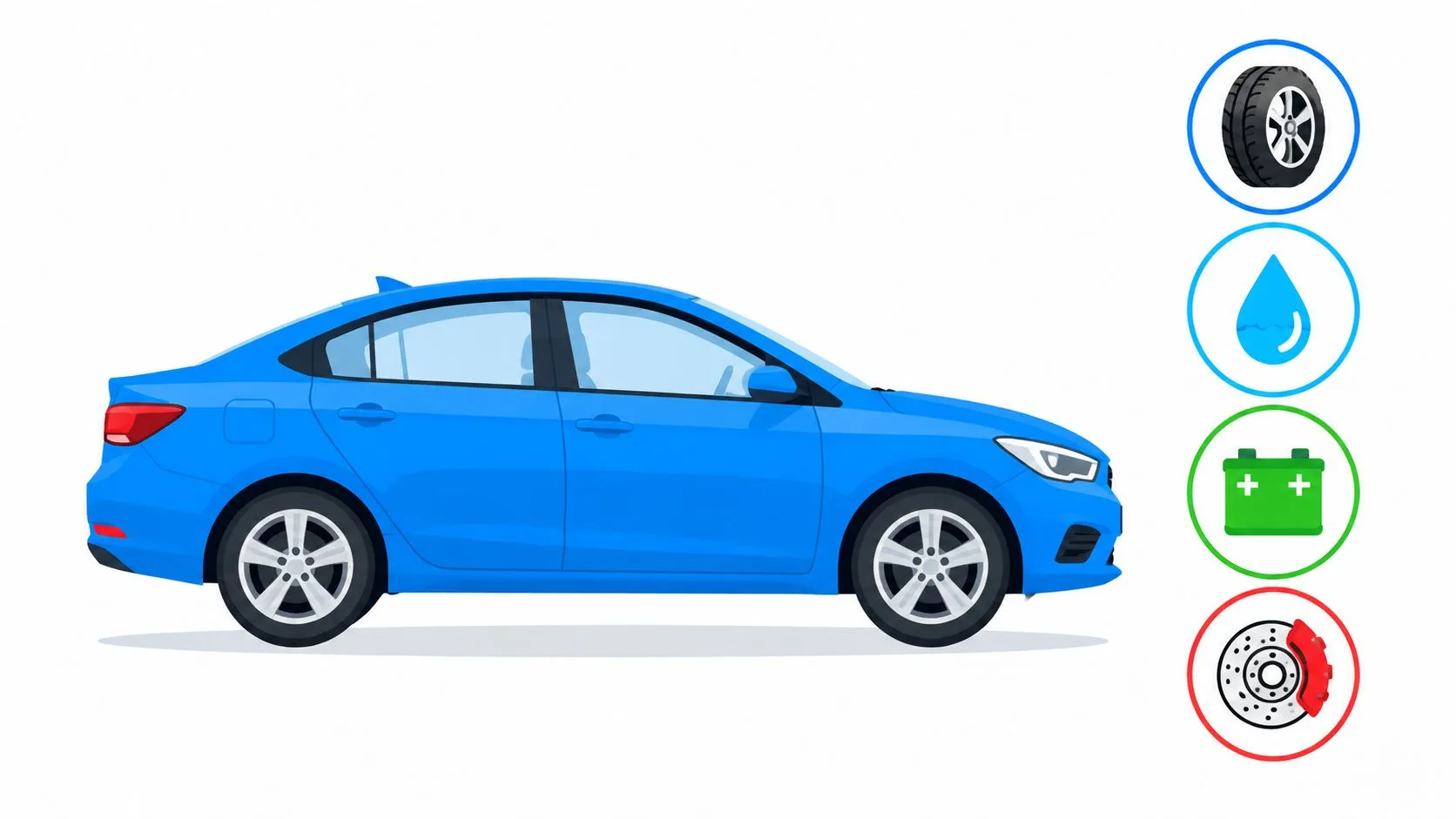
NHTSA recommends checking tire inflation against the vehicle manufacturer’s recommended pressure, checking oil and other fluid levels, testing headlights and brake lights, and reviewing road and weather conditions before you leave with these summer driving tips from NHTSA. Bridgestone adds an important habit many drivers skip: check tires monthly and before long trips, especially if the car is carrying extra load, and inspect for visible damage like cracks, bald spots, punctures, or bubbles in this summer tire maintenance guidance.
What to inspect before you roll
A Florida pre-trip scan doesn’t need to take long. It does need to be consistent.
- Check tire condition: Look for uneven wear, low tread, sidewall damage, and anything lodged in the tire.
- Check fluids: Verify coolant, oil, and washer fluid before a longer drive.
- Check lights: Brake lights and headlights matter even more when a bright day suddenly turns into a dark storm.
- Check your spare and kit: Pack water, a charger, a flashlight, jumper cables, and basic tools.
If you want a quick refresher on what to inspect and why it matters, review this Florida vehicle maintenance guide.
Practical rule: Don’t discover a maintenance problem in traffic. Discover it in your driveway.
A common Florida mistake is assuming a car that drove fine in spring will handle July just the same. It won’t. Heat exposes weaknesses fast, especially when you’re stuck in stop-and-go traffic with the A/C running and pavement temperatures soaring.
Before your next road trip, take two extra minutes and do the walk-around. That habit alone prevents plenty of bad days.
A short visual refresher can help if you’ve gotten lazy with maintenance checks.
2. Combat Driver Fatigue with Strategic Hydration and Rest
Heat drains your attention before you notice it. You start missing signs, staring too long at the bumper ahead, and reacting half a beat late. That’s enough to cause a crash in heavy summer traffic.
Florida drivers often underestimate how tiring a “simple” drive can become when the cabin is hot, the road is crowded, and the weather keeps changing. If you’re taking kids to the coast, driving home from work in late sun, or making a weekend run across the state, hydration and rest need to be part of the plan.
Use breaks before fatigue uses you
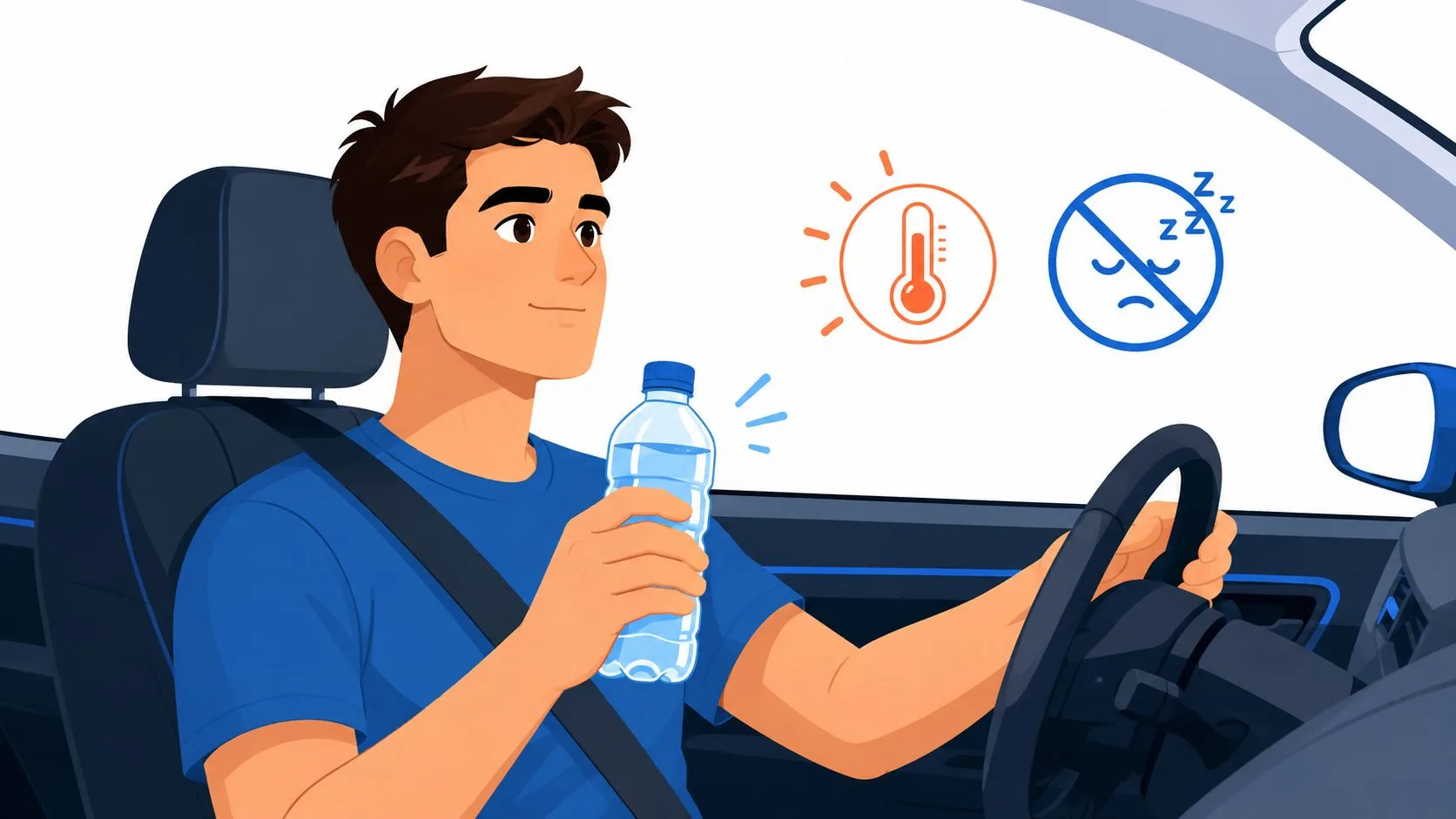
Bring water in the car and drink it regularly. Don’t wait until you feel worn out. By that point, your focus is already slipping.
Take a real break every couple of hours on a long drive. Get out, walk, stretch, cool off, and reset your eyes. If another licensed driver is available, switch.
One of the clearest warning signs is when the trip starts feeling blurry. You miss your exit, drift in your lane, forget the last few miles, or keep adjusting your seating position because you can’t get comfortable. Pull over. Don’t push through it.
Hot, tired drivers make impatient decisions. Most of them think they’re still driving fine.
Defensive driving training proves invaluable. State-approved courses teach drivers how to recognize declining alertness, manage risk before it spikes, and avoid the impatience that shows up when heat and traffic combine.
If you’re already dealing with a citation or want to sharpen your habits before your next long trip, an online Florida course gives you something more useful than reminders. It gives you routines you’ll use behind the wheel.
3. Expand Your Safety Bubble by Increasing Following Distance
Summer roads change fast in Florida. Dry pavement can turn slick in minutes. Tourist drivers brake suddenly. Construction squeezes lanes. Afternoon storms slash visibility.
That means tailgating is even more dangerous in summer than it is the rest of the year. You need space. Real space.
Florida law requires a “reasonable and prudent” following distance, but that standard only helps if you practice it. On clear roads, many drivers treat the minimum as enough. In summer, it often isn’t.
Count it out instead of guessing
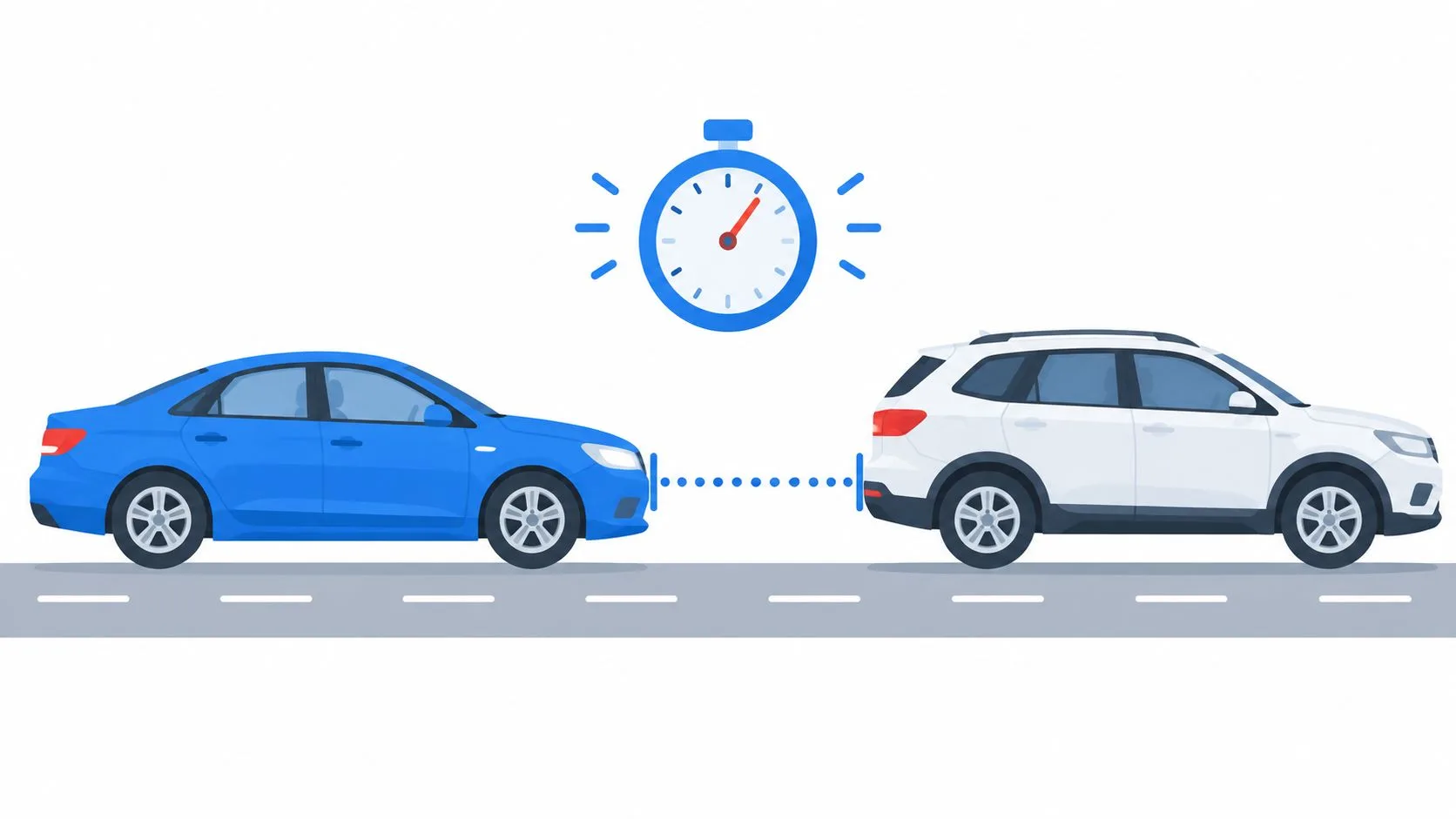
Pick a fixed object ahead, like a sign or shadow line. When the vehicle in front passes it, start counting. If you reach the same point too soon, you’re following too closely.
On a clear day, a basic following gap is your starting point. In rain, glare, heavy traffic, or when a driver ahead looks unpredictable, back off further. If someone cuts in front of you, don’t get offended. Rebuild the distance.
- Use landmarks: Signs, overpasses, and lane markings make it easier to judge space.
- Stretch the gap in rain: Florida roads can get greasy at the start of a storm.
- Stay calm when cut off: Braking hard and retaliating only make the situation worse.
This is one of the most important defensive driving habits you can practice, and the two-second rule for following distance is a useful starting framework for building that skill.
A realistic Florida example is Interstate traffic near Orlando or Jacksonville when a brief shower starts. One driver taps the brakes. The next driver reacts late. Then three more drivers stack up because nobody left a margin. Your safety bubble is what breaks that chain.
4. Conquer Sun Glare for Uncompromised Visibility
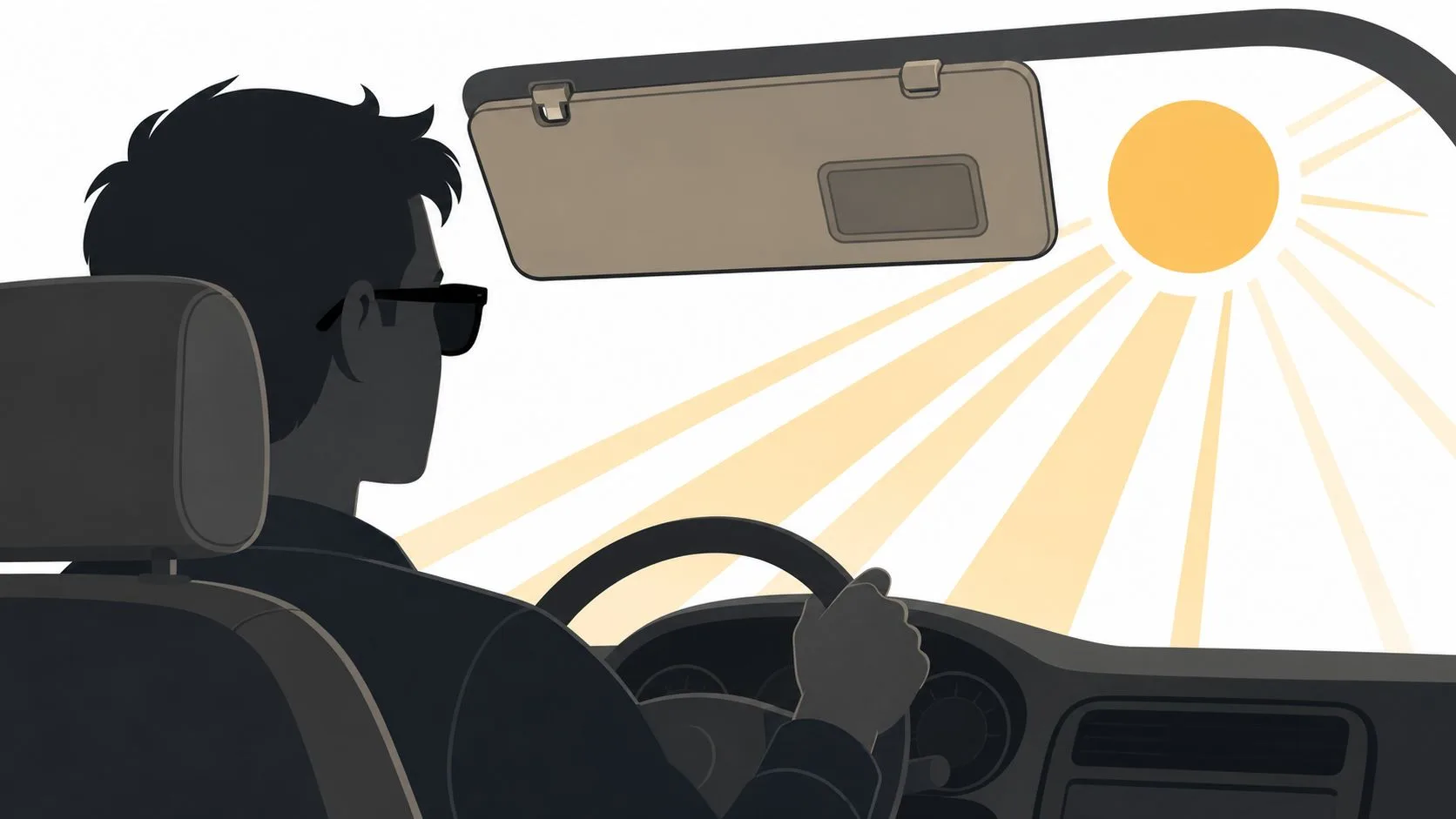
Florida sun glare is no joke. It can wash out traffic lights, hide brake lights, and make pedestrians disappear into a bright background. Drivers usually think of glare at sunrise and sunset, but in summer it can be a problem much of the day because of angle, reflection, and bright pavement.
A dirty windshield makes it worse. So do worn wiper blades and oxidized headlights if a storm rolls in right after a bright stretch of road.
Clean glass and better timing matter
Keep the inside and outside of your windshield clean. Smudges, haze, and film scatter sunlight and turn mild glare into blinding glare. Use your visor correctly and wear quality sunglasses that help you see contrast instead of just darkening everything.
Travelers Insurance reports that phone-related distracted driving occurs nearly 10% more in summer than at any other time of year, which matters even more when glare is already reducing what you can see. Program navigation before you start moving and keep your phone out of reach, as noted in NHTSA’s summer driving guidance linked earlier.
If glare blinds you, slow down first. Don’t try to out-drive what you can’t see.
If you know you’ll be driving east early or west late, give yourself more time so you don’t feel pressure to maintain speed when visibility drops. Add following distance immediately when the sun is in your eyes.
And if your headlights look cloudy, fix them before the next stormy commute. Visibility problems stack up quickly in Florida. For drivers dealing with faded lenses, SwiftJet’s auto care solutions for cleaning oxidized headlights can help you understand the issue.
5. Eliminate Distractions Because Your Brain’s A C Is Focus
Summer invites distraction. More passengers. More road trips. More wrong turns in unfamiliar areas. More phones coming out for directions, restaurant searches, and group texts about arrival times.
None of that belongs in your hands while you’re moving.
Set the car up before you put it in gear
Choose the route before you back out. Set the playlist before you merge. Put the phone in the console, glove box, or a place that forces you to stop if you want to touch it.
This isn’t just common sense. It’s a high-risk season for distraction. The National Road Safety Foundation’s summer warning puts distractions on the short list of core crash factors during the “100 Deadliest Days,” especially for newer drivers, as noted earlier.
If distraction is already a recurring issue for you, take a close look at this distracted driving awareness course page. Drivers who learn how attention breaks down make better choices before they start the car.
- Silence the device: Use driving mode or do not disturb.
- Control the cabin: Tell passengers you need a quiet minute in bad weather, traffic, or construction.
- Skip handheld fixes: Don’t eat messy food, search for items, or manage arguments while driving.
A familiar Florida scenario is a family heading to the beach with coolers, kids, and multiple phones giving directions. One missed turn leads to sudden lane changes, raised voices, and a driver trying to read a map at the same time. That’s exactly how routine drives become preventable crashes.
Your best summer focus tool isn’t an app. It’s discipline.
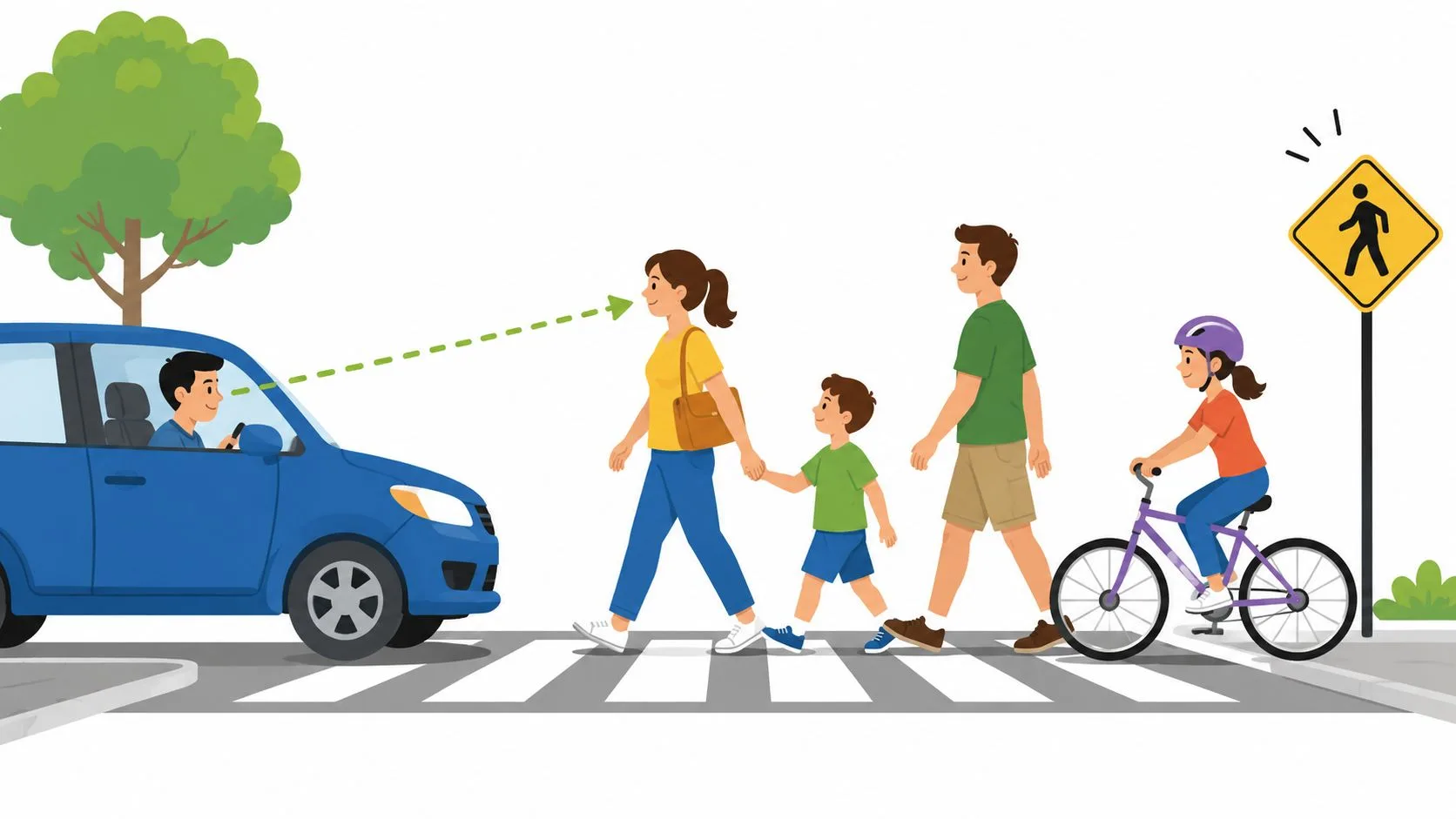
6. Heighten Your Awareness of Pedestrians and Cyclists
In summer, more people are outside and closer to traffic. Kids are out of school. Families walk to pools and parks. Tourists cross roads they don’t know well. Cyclists appear on beach routes, downtown streets, and neighborhood roads at all hours.
As a driver, you have to expect them before you see them.
Drive like someone could step out at any second
That mindset matters near parked cars, crosswalks, apartment entrances, beach lots, and neighborhood curves. Slow down early. Cover the brake. Scan both sides of the road instead of staring straight ahead.
If another vehicle is stopped near a crosswalk, don’t whip around it. There may be a pedestrian in front of that car that you can’t see yet.
The strongest drivers don’t rely on having the right of way. They understand it, but they still protect people who make mistakes. If you need a refresher on Florida traffic priority rules, this guide on who has the right of way is worth reviewing.
Watch the wheels, not just the person. A bike or stroller rolling forward often tells you what happens next.
A common Florida summer hazard is the child who darts out from between parked cars chasing a ball, a sibling, or a pet. Another is the tourist who steps into a crosswalk while looking the wrong direction. You don’t get extra reaction time because they were careless. You only get the time your speed and attention leave you.
That’s why awareness around vulnerable road users is one of the smartest safe driving tips for summer.
7. Use Your A C Wisely for Comfort and Alertness
Your air conditioning isn’t just about comfort in Florida. It helps you stay calm, alert, and able to think clearly when traffic is slow and the heat is punishing.
A hot cabin wears drivers down. Irritability rises. Concentration falls. Small frustrations become bad decisions, especially in congestion or after a long day.
Cool the cabin without getting lazy
Before you drive, vent the hottest air if the car has been parked in the sun. Then run the A/C and use recirculation when it makes sense to cool the cabin efficiently.
Don’t turn the cabin into a freezer and assume that solves everything. Stay hydrated too. Comfort helps, but it doesn’t replace rest, water, and smart pacing.
NHTSA’s summer guidance emphasizes checking weather and road conditions before departure. In Florida, that matters because a comfortable cabin can fog your awareness if you rely on comfort instead of preparation. Afternoon storms, backed-up traffic, and sudden detours still demand a sharp driver.
Try this routine on a typical summer errand day. Cool the car before pulling out. Set directions before moving. Keep water in the cabin. If you start feeling sluggish, stop and reset instead of relying on colder air to carry you home.
This is one of the quieter summer safety habits, but it matters. Drivers make better decisions when they’re not overheated, frustrated, and mentally drained.
8. Navigate Summer Construction Zones with Patience and Precision
Florida summer means cones, barrels, lane shifts, fresh pavement, flaggers, and drivers making terrible last-second choices. Construction zones punish impatience fast.
The mistake I see most often is simple. Drivers notice the lane closure early, but they wait too long to merge because they don’t want to “lose” position. Then they dive over at the last second, slam brakes, and force everyone else to react.
Slow down and get predictable
Construction zones reward boring driving. Merge smoothly. Hold your lane. Watch for workers, equipment, narrowed shoulders, and sudden stops.
Your job is to be easy to read. No darting. No squeezing past one more car. No phone in your hand while traffic compresses.
- Merge early: Smooth, early decisions keep traffic flowing better than panic moves.
- Watch brake lights far ahead: Sudden stop waves are common in work zones.
- Leave extra room: The car ahead may brake for a flagger, uneven pavement, or a construction vehicle.
A realistic Florida example is an interstate resurfacing zone at dusk after a summer storm. Lane markings may be confusing, spray may still be kicking up, and drivers may be tired and irritated. If you enter that area too fast or too close, you’ve already made the drive harder than it needs to be.
Defensive driving separates trained drivers from reactive ones. Patience, lane discipline, and scanning ahead are teachable habits. If you’ve picked up a ticket in a work zone or know you get aggressive in heavy traffic, a Florida-approved course can help correct that pattern before it becomes a bigger problem.
Summer Driving: 8-Point Safety Comparison
| Tip | 🔄 Implementation Complexity | ⚡ Resource Requirements | ⭐ Expected Outcomes | 📊 Ideal Use Cases | 💡 Key Advantages / Tips |
|---|---|---|---|---|---|
| 1. Master Pre-Trip Maintenance for Peak Summer Performance | 🔄 Medium, basic checks plus occasional pro service | ⚡ Low–Moderate, time, basic tools, possible shop cost | ⭐ High, reduces overheating, blowouts, roadside failures | 📊 Long road trips, high-heat regions, daily summer commuting | 💡 Weekly tire and biweekly coolant checks; keep emergency fluids and jumper cables |
| 2. Combat Driver Fatigue with Strategic Hydration and Rest | 🔄 Low, habit changes and scheduled breaks | ⚡ Minimal, water, planned stops, possible alternate driver | ⭐ High, greatly improves alertness and reduces crash risk | 📊 Long drives, peak summer heat, commercial/shift drivers | 💡 Sip water every 20–30 min; stop every ~2 hours; avoid heavy meals/alcohol |
| 3. Expand Your ‘Safety Bubble’: Increase Following Distance | 🔄 Low, practice and constant vigilance | ⚡ Minimal, time adjustment, conscious spacing | ⭐ High, lowers rear-end collisions, gives reaction time | 📊 Rainy conditions, heavy traffic, highway driving behind trucks | 💡 Use fixed object count; extend to 4–5 seconds in poor traction |
| 4. Conquer Sun Glare for Uncompromised Visibility | 🔄 Low, simple behavioral and equipment changes | ⚡ Low, polarized sunglasses, windshield cleaning supplies | ⭐ High, improves visual clarity and hazard detection | 📊 Sunrise/sunset driving, coastal routes, bright sunny days | 💡 Invest in polarized lenses; clean windshield weekly; use sun visor |
| 5. Eliminate Distractions: Your Brain’s A/C Is Focus | 🔄 Low–Medium, requires discipline and habit change | ⚡ Minimal, phone settings, pre-trip setup, passenger cooperation | ⭐ Very High, directly reduces leading cause of crashes | 📊 Urban driving, trips with passengers, high-traffic situations | 💡 Enable Do Not Disturb; stow phone; set nav/music before driving |
| 6. Heighten Your Awareness of Pedestrians and Cyclists | 🔄 Medium, constant scanning and speed adjustment | ⚡ Minimal, attention, reduced speed in populated areas | ⭐ Very High, prevents severe injuries and legal liability | 📊 Residential areas, parks, downtowns, beach towns | 💡 Slow near playgrounds; make eye contact; give cyclists 3+ ft |
| 7. Use Your A/C Wisely for Comfort and Alertness | 🔄 Low, know settings and maintenance schedule | ⚡ Low–Moderate, servicing costs, fuel use trade-off | ⭐ High, maintains alertness but can affect fuel economy | 📊 Hot climates, long drives, stop-and-go traffic | 💡 Service A/C pre-summer; use recirculate to cool faster; keep ~68–72°F |
| 8. Navigate Summer Construction Zones with Patience and Precision | 🔄 Medium–High, needs full attention and correct merging | ⚡ Minimal–Moderate, time delays, possible reroutes | ⭐ High, reduces work-zone crashes and fines | 📊 Roadwork corridors, highway maintenance seasons | 💡 Merge early, obey reduced speeds, eliminate distractions, expect delays |
Your Next Step to Becoming a Safer Florida Driver
Knowing these summer driving tips helps. Practicing them every time you drive is what keeps you out of trouble.
Florida roads in summer demand more from you. Heat, glare, rain, crowds, construction, tourists, cyclists, pedestrians, and distracted drivers all show up at once. That means safe driving isn’t about one trick. It’s about layered habits. You check the car before the trip. You give yourself more space. You manage fatigue. You stay off the phone. You scan farther ahead. You keep your emotions under control when traffic gets ugly.
That’s exactly why defensive driving education matters. Skills like following distance, hazard recognition, right-of-way judgment, and distraction control don’t improve because you read one article. They improve because you study them, understand why they matter, and start using them automatically.
At BDISchool, Florida drivers can take state-approved online courses for different needs, including Basic Driver Improvement, Intermediate Driver Improvement, the Aggressive Driver Course, and the Mature Driver Course. The courses are designed to help drivers meet court or state requirements, improve safety knowledge, and strengthen defensive driving habits. For many drivers, that means handling an immediate requirement while also becoming more controlled and capable behind the wheel.
That matters if you’ve already received a moving violation. It also matters if you know you’ve picked up bad habits. Maybe you follow too closely in rain. Maybe you use your phone at red lights and then keep touching it once traffic moves. Maybe construction zones bring out your worst decisions. Those habits can be corrected, and it’s a lot cheaper to fix them in training than after another ticket or crash.
If you’re a busy professional, online access makes it easier to get it done on your schedule. If English isn’t your first language, course options in Spanish and Portuguese can make the material easier to absorb. If you’re an older driver looking to refresh your skills, a mature driver course can help you sharpen awareness and stay current with Florida traffic law.
The point is simple. Don’t wait for another close call to take your driving seriously. Use this summer as the reset point. Build the habits now, while the roads are at their most demanding, and you’ll be safer all year.
If you’re ready to turn these lessons into real defensive driving habits, enroll with BDISchool. Their Florida-approved online courses let you train on your schedule while strengthening the exact skills that matter most in summer traffic.