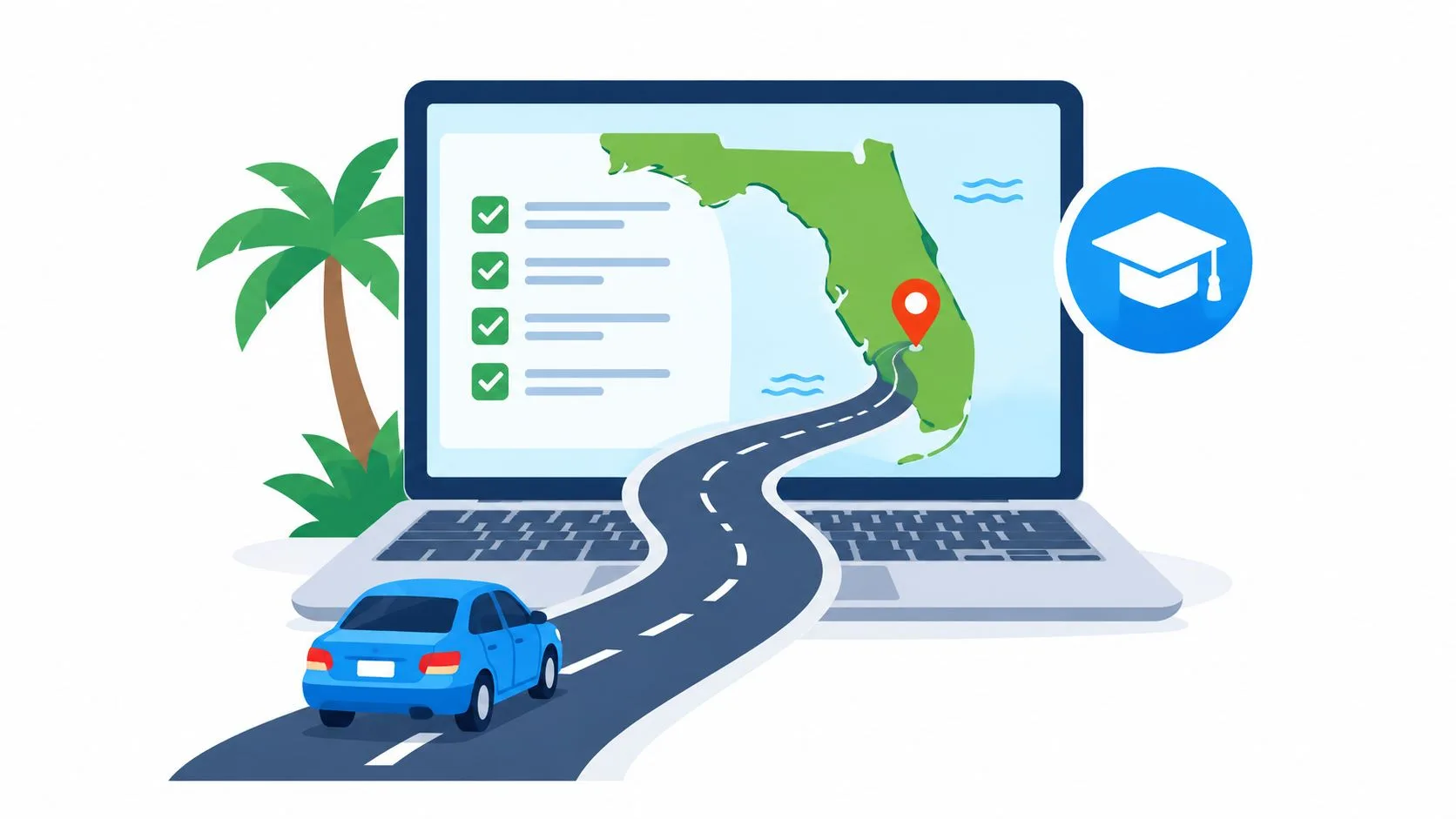
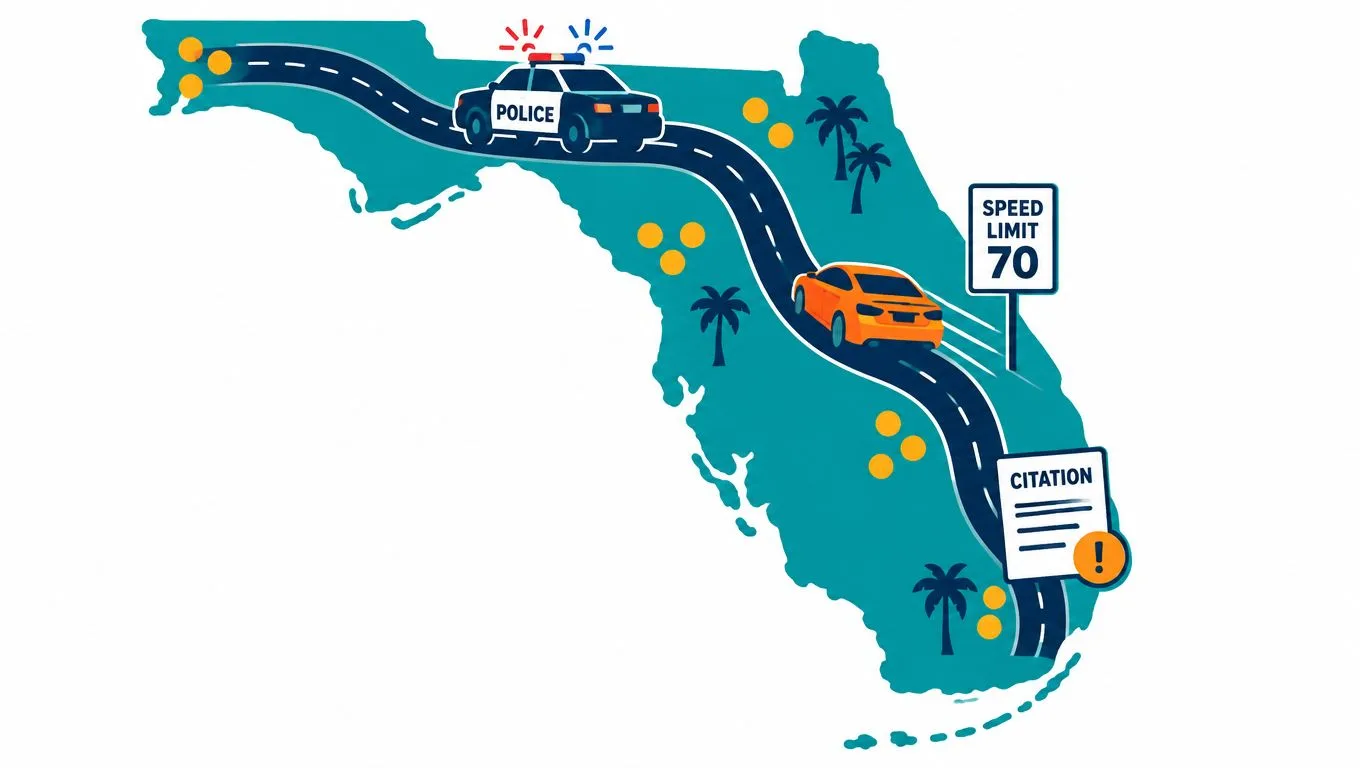
You saw the lights, pulled over, and now the ticket is sitting on your passenger seat or kitchen counter.
That part is done. The next move matters more.
If you’re a Spanish-speaking driver in Florida, a Spanish defensive driving course can turn a stressful ticket into something manageable. Instead of guessing through legal terms in English or risking points on your record, you can handle the requirement in the language you understand best and get back to normal faster.
This is not just about checking a box. It’s about protecting your driving record, avoiding extra stress, and making sure one mistake doesn’t follow you for years.
Turn a Traffic Ticket Into a Smart Move
Most drivers don’t panic because of the fine alone. They panic because they know a ticket can lead to more problems. Points. Insurance headaches. Court instructions that aren’t always written in plain language.
If that sounds like where you are right now, slow down and deal with it in order.
A good first step is understanding what kind of citation you received and what your options usually look like. If your situation involves a more serious allegation, Badesha Law’s careless driving guidance gives a useful overview of how these cases can unfold and why details matter.
For many Florida drivers with an eligible moving violation, traffic school is the cleanest answer. You elect the option, complete the course, and put yourself in a better position than if you paid the ticket without further consideration.
Why the Spanish option matters
A lot of people make this harder than it needs to be. They try to push through an English course, miss a rule, misunderstand a deadline, or rush through lessons they didn’t fully absorb.
That’s avoidable.
A Spanish defensive driving course gives you clarity when you need it most. You’re not translating every instruction in your head. You’re not second-guessing what a question means. You can focus on finishing the course correctly and moving on.
Practical rule: If a ticket is already causing stress, don’t add a language barrier to the process.
What to do right now
Keep this simple:
- Check your citation and identify the county.
- Find out whether you can elect traffic school for that ticket.
- Use a Florida-focused guide to dismiss your ticket, such as this traffic ticket dismissal page, so you know the general path before you enroll.
- Choose the course language you understand best.
That’s the smart move. Not the proud move. Not the “I’ll figure it out later” move. The smart one.
What Is a Spanish Defensive Driving Course
A Spanish defensive driving course is a traffic school program delivered in Spanish for drivers who need to handle a ticket, meet a court requirement, or improve driving habits without fighting through English-heavy material.
That distinction matters. If you understand the course clearly, you’re more likely to finish it correctly and use what it teaches.
It should teach more than rules
If a course only repeats traffic laws, it’s not enough.
Effective programs teach hazard perception and risk anticipation, not just traffic rules. National course guidance emphasizes these strategies because early threat detection expands a driver’s reaction window, which is the core mechanism for reducing crash risk in real traffic.
That means the course should help you notice problems earlier. A driver drifting between lanes. A car braking late. A rushed left turn. A distracted driver at the light who may jump suddenly.
Those are the skills that matter after the ticket is gone.
Why learning in Spanish helps
Driving decisions happen fast. You don’t want to learn safety concepts through partial understanding.
A Spanish course removes friction. You can absorb the vocabulary, examples, and scenarios without translating everything mentally. That makes the class less intimidating and more useful.
If you also want a plain-language explanation of how fault and unsafe conduct are discussed in legal contexts, comprender la negligencia en lesiones personales is a helpful Spanish resource.
A course should leave you more alert on the road, not just more familiar with test answers.
What to look for before you enroll
Use this quick filter:
- Spanish-first clarity. The course should read naturally in Spanish, not like a rough machine translation.
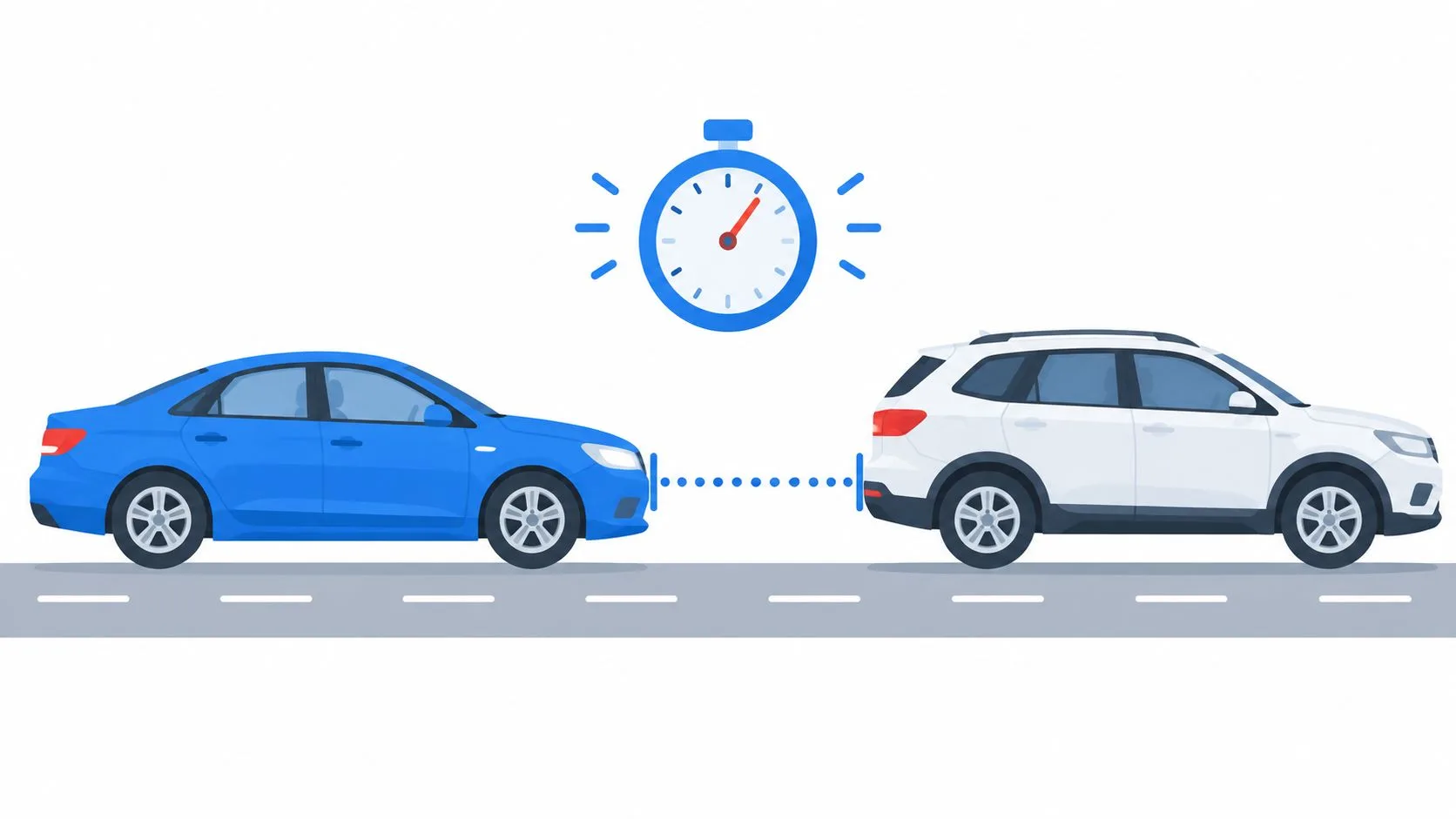
- Real traffic situations. You want examples tied to lane changes, intersections, following distance, and driver decisions.
- Florida relevance. If your ticket is in Florida, pick a course built for Florida requirements, such as a Spanish traffic school course for Florida drivers.
- Simple completion process. The less confusion at the end, the less chance you miss what the court or state needs.
That’s what a useful Spanish defensive driving course looks like. If it feels like a generic slideshow, skip it.
Unlock Key Benefits of Your Course Completion
Completing the course is not busywork. It solves a real problem.
For an eligible driver, the biggest win is control. You’re not sitting back and letting the ticket shape your record. You’re taking action that can protect it.
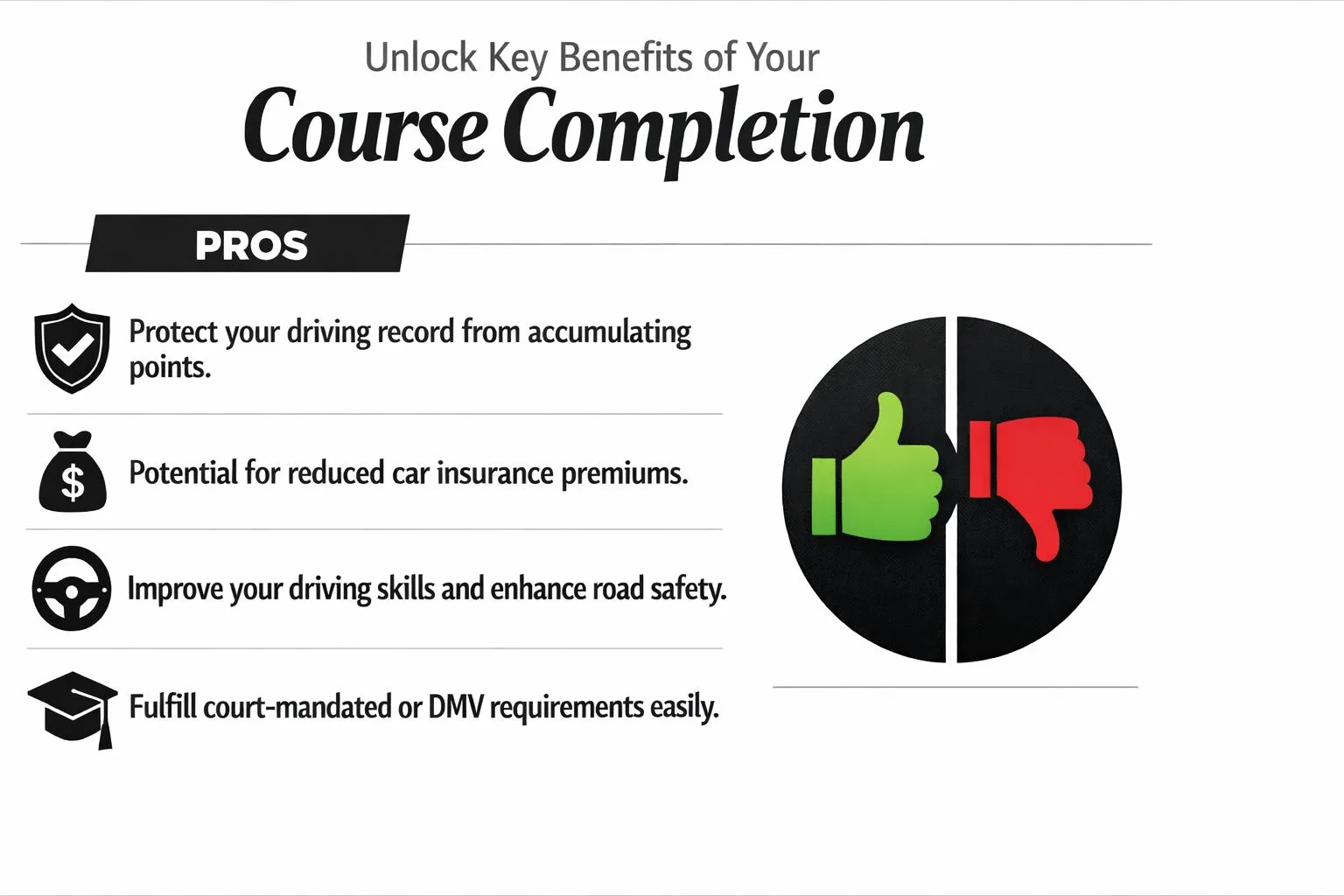
The benefits that matter most
Here’s the short version:
| Benefit | Why it matters |
|---|---|
| Protect your record | An eligible course election can help keep points from stacking onto your license. |
| Support insurance stability | A cleaner driving history usually puts you in a better position than simply accepting the violation. |
| Satisfy a requirement | If the court or traffic system expects a course, completing it handles that obligation directly. |
| Build safer habits | The class isn’t just administrative. It can correct risky behavior before it causes another problem. |
That last point is the one drivers often ignore.
According to a summary of NHTSA research, 94% of serious motor vehicle accidents result from human errors, which is why defensive driving courses focus on preventable mistakes such as speed management and decision-making under pressure, as described in this defensive driving statistics summary.
So yes, the course helps with the ticket. But it also targets the type of driver behavior that creates repeat trouble.
This is where money stress usually shows up
A lot of drivers don’t worry about insurance until after the violation hits their history. That’s backward.
If you can complete an eligible course and keep your record cleaner, you give yourself a better chance of avoiding the longer tail of the ticket. For a practical look at how insurers often reward lower-risk behavior, review car insurance savings for safe drivers.
Here’s the mindset shift I recommend:
- Don’t think only about the fine. The ticket itself may be the smallest part of the problem.
- Think in terms of record protection. That’s what keeps future consequences from piling up.
- Use the class as correction, not punishment. A useful course changes how you drive next week, not just what you submit this month.
Here’s a quick visual summary before you move on:
Bottom line: If you’re eligible, taking the course is usually the smarter response than treating the ticket like a one-time inconvenience.
Florida Specific Rules You Must Know
Florida does not reward guesswork here. You need to follow the process correctly.
The most common ticket course for this situation is the 4-hour Basic Driver Improvement, often called BDI. If you qualify, this is usually the course tied to point avoidance for a non-criminal moving violation.
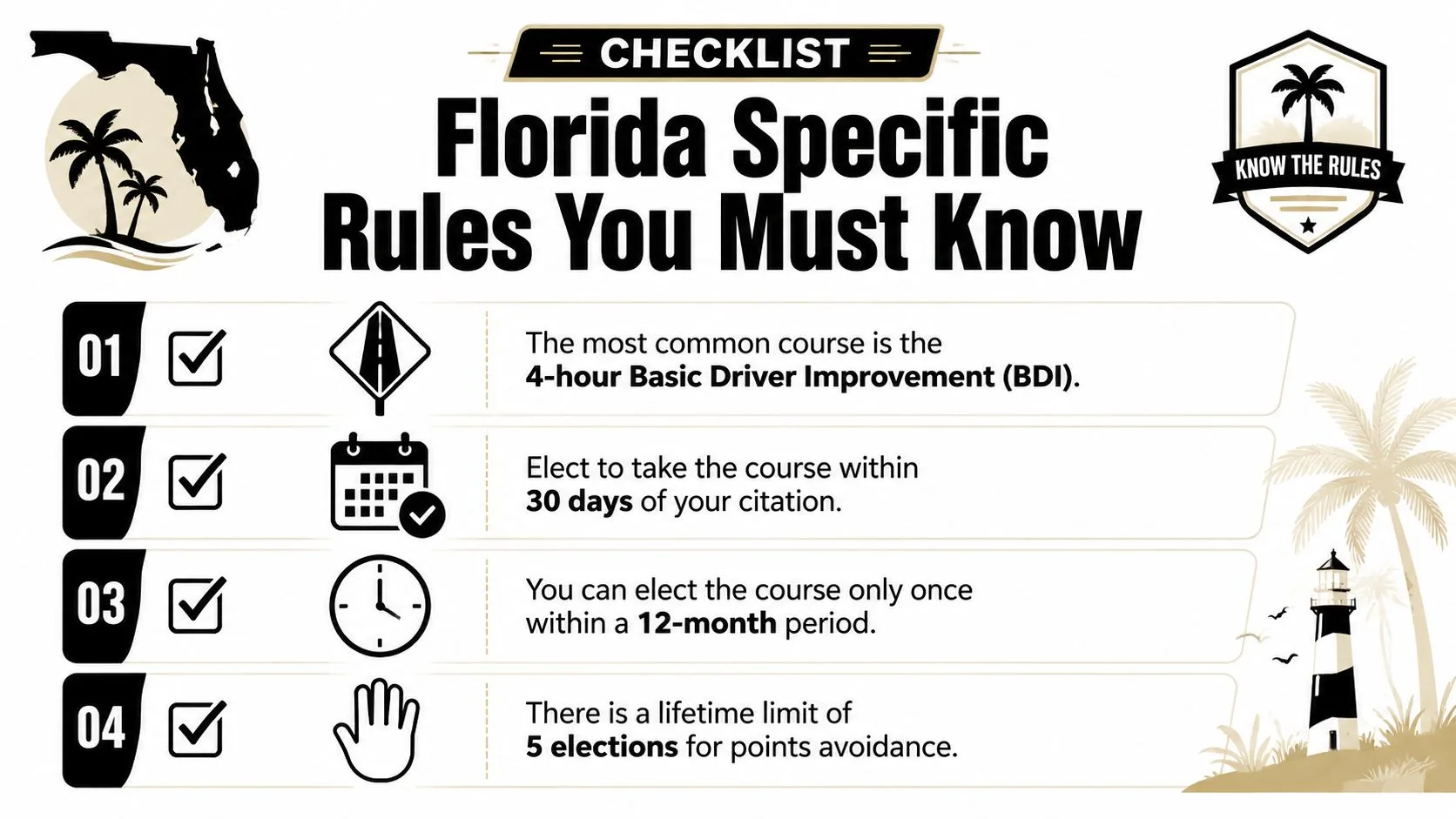
The rules most drivers need to know
Use this checklist before you sign up:
- Act within 30 days. You must elect to take the course within 30 days of receiving the citation and notify the Clerk of Court in the county where the ticket was issued.
- Know the frequency limit. You can choose this option only once in any 12-month period.
- Know the lifetime limit. Florida allows this election a total of 5 times in your lifetime.
- Check the type of violation. This path is generally for non-criminal moving violations.
- CDL drivers need extra caution. Drivers with a Commercial Driver’s License generally aren’t eligible for the same benefit structure.
What drivers get wrong
The common mistake is enrolling first and asking questions later.
That’s backwards. Your election with the court is the legal step that matters first. The course supports that choice, but it doesn’t replace it.
Don’t assume that finishing a class automatically fixes the ticket. Florida expects you to follow the election process and the deadline.
If you need a straightforward explanation of the point-related purpose behind the course, review this Florida defensive driving course for point reduction.
My recommendation
Treat the timeline like a deadline, not a suggestion.
Write down the citation date, contact the right clerk, confirm your eligibility, and only then complete the proper course. Drivers who stay organized usually get through this without drama. Drivers who wait create their own problems.
Your Simple Path to Enrollment and Completion
Once you’ve confirmed you’re eligible, the rest should be easy. If the provider makes it feel complicated, that’s a problem with the provider, not with you.
A good online course should let you register quickly, study on your own schedule, and finish without chasing paperwork all over town.
The process should feel this simple
- Register online with your basic information and citation details.
- Choose the correct Florida course for your situation.
- Log in from your phone, tablet, or computer whenever you have time.
- Work through the lessons at your pace instead of trying to cram everything into one stressful session.
- Finish the final quiz and complete any last required steps for reporting or certificate processing.
That’s it. No classroom commute. No awkward scheduling. No need to rearrange your whole week.
What the course should actually be doing
A real defensive driving course is not just trying to get you to the finish line.
Professional programs are built for measurable behavior correction, focusing on high-risk conduct like speeding, distraction, alcohol-impaired driving, and aggression so drivers can interrupt those behaviors before they turn into preventable collisions.
That’s why self-paced online learning works so well for many drivers. You can stop, think, review, and keep moving without the pressure of a live classroom.
Picking a provider
Be practical. Choose a Florida online option that clearly matches your need, works on the device you already use, and explains the completion steps in plain language.
One available option is the Florida online defensive driving course, which is offered online for drivers who need a state-focused traffic school format. You can also compare course choices through the providers listed on the course sites referenced in this article if you want to review formats before enrolling.
The right course feels straightforward from the first click. If registration is confusing, completion usually won’t get better.
Common Questions About Our Spanish Driving Course
Drivers usually ask the same few questions right before they enroll. Good. You should ask them.
Is a Spanish course treated differently from an English one
No. The important issue is whether the course fits your Florida requirement and is accepted for your situation.
The language should make the course easier to understand, not less valid.
Will I only learn traffic laws
You shouldn’t.
A modern course needs to address current distraction risks and explain what behaviors are most dangerous, including mobile-phone habits, hands-free myths, and in-car screens, while also teaching you how to respond to other distracted drivers in traffic.
Can I take it on my phone
In most online formats, yes. That’s one of the main reasons busy drivers prefer online traffic school.
Still, don’t choose a course based only on convenience. Choose one that’s easy to follow and clear about what happens after you finish.
What happens after I complete the course
That depends on the provider and your county process.
What matters is this: don’t assume the final quiz is the end of your responsibility. Make sure you know how completion is reported and whether you need to submit anything further for your case.
What if I’m nervous about failing
Most drivers are not struggling with the material. They’re struggling with stress.
Take the course in Spanish if that’s your strongest language. Read carefully. Don’t rush. A course built well should guide you clearly from lesson to lesson.
How do I know if this is the right move for my ticket
Check your citation type and your Florida eligibility first.
If your case qualifies for traffic school, this is usually the simplest path. It protects your time, reduces confusion, and helps you respond to the ticket with a plan instead of anxiety.
If you’re ready to handle the ticket and move on, start with BDISchool. Choose the Spanish course option that fits your Florida situation, complete it on your schedule, and take control of your record before the deadline gets closer.