You walk back to your car, keys in hand, already thinking about the rest of your day. Then you see it. A ticket tucked under the wiper.
That little slip of paper can ruin your mood fast. It's annoying, expensive, and often confusing because a lot of drivers don't know which Florida parking laws are statewide rules and which ones come from local signs, meters, or private property enforcement.
Most parking tickets aren't handed out because someone was trying to be reckless. They happen because a driver guessed wrong. They thought they had “just enough room” from a hydrant, thought a quick stop in a loading zone wouldn't matter, or assumed a private lot warning sign wasn't serious. That guess can turn into a fine, a tow, or a much bigger headache if the situation connects to a traffic stop.
The fix is simple. Learn the rules before the next mistake costs you more time and money. And if you're already holding a citation, start by understanding the paperwork, including what a citation number on a ticket means, so you can respond the right way instead of making the problem worse.
The Unwanted Windshield Surprise
A parking ticket feels personal, even when it isn't. You were just trying to run into a store, make a delivery, pick someone up, or get to work. Florida parking laws don't care what your intention was. If your car is in the wrong place, the consequence usually arrives before you get back.
That's the part drivers hate most. The rule may have seemed minor, but the fallout rarely does. A parking citation can lead to fines, late penalties, towing trouble, wasted hours, and a pile of frustration that could've been avoided with better information.
Why drivers keep getting burned
Individuals don't typically receive tickets for ignoring every sign in sight. They get them because parking rules are layered.
You're dealing with:
- State rules that apply almost everywhere
- Local ordinances that can be stricter
- Lot-specific signs in garages, shopping centers, and residential communities
- Special-use spaces like accessible parking and loading zones
That mix catches people off guard.
You don't need better luck. You need a sharper parking routine.
The smarter way to look at it
Stop treating parking as an afterthought. Treat it like a quick safety check.
Before you leave the car, look for three things:
The curb and pavement markings
Painted curbs and stenciled spaces matter.The nearest sign
A sign twenty feet behind your car still applies to your space if it's posted for that stretch.What your car could be blocking
Fire access, a crosswalk, a driveway, a ramp, or traffic flow.
If you build that habit, you'll avoid a lot of common mistakes. If you've already been cited, don't just pay in a panic. Understand the rule, the consequence, and your next move.
Decoding Florida's Statewide Parking Rules
Florida parking laws start with one core idea. Your parked car cannot create a safety problem or block access. That's why certain places are always dangerous bets, no matter what city you're in.

A lot of drivers assume parking tickets are all the same. They aren't. Some are tied to a non-moving violation, while others can trigger bigger problems because of where the vehicle was left or what it interfered with.
Places you should assume are off-limits
If you park in any of these areas, you're asking for trouble:
On a sidewalk
Sidewalks are for pedestrians, wheelchairs, strollers, and safe access. Your convenience doesn't override that.In front of a driveway
Blocking someone's entry or exit is one of the fastest ways to get reported.In an intersection
Even a partial obstruction is a bad move.On a crosswalk
Drivers and walkers both need that space clear.On a bridge or other raised structure where stopping creates danger
Visibility and escape space matter.In front of fire equipment access areas
Emergency clearance isn't negotiable.
The distance rules that matter
These are the rules drivers tend to misjudge because they eyeball them. Don't eyeball them.
Hydrant rule: Don't park within 15 feet of a fire hydrant.
Crosswalk rule: Don't park within 20 feet of a crosswalk at an intersection.
Those two mistakes are common because drivers tell themselves, “I'm close, but not that close.” That guess is often wrong.
Why these rules exist
This isn't bureaucratic nitpicking. The state cares about line of sight, emergency access, and room to maneuver.
A car parked too close to a crosswalk can hide a pedestrian.
A car parked too close to a hydrant can slow emergency crews.
A car parked on a sidewalk forces people into traffic.
That's why arguing “I was only there for a minute” usually doesn't help.
The cleanest rule of thumb
If your vehicle blocks, narrows, hides, or interferes, don't leave it there.
Use this quick mental checklist:
| Check | What to ask yourself |
|---|---|
| Visibility | Am I blocking a driver's view of people or traffic? |
| Access | Am I preventing entry, exit, loading, or emergency use? |
| Space | Is my car taking space meant for walkers, ramps, or turning vehicles? |
Practical rule: If you have to justify the spot to yourself, it's probably not a legal spot.
Navigating Common Parking Scenarios and Signs
State law gives you the foundation. Real life is messier. Most drivers get tripped up by signs, painted curbs, meters, and spaces that look harmless until enforcement shows up.

Curb colors that drivers misread
You pull up and see a painted curb. If you don't know the color code, you're gambling.
Blue curb
This is accessible parking. If you don't have valid disability authorization, stay out of it. Don't “just stop for a second.” That excuse gets people in real trouble.Red curb
No stopping, standing, or parking. Not for a text. Not for a quick pickup. Not for “I'll keep the engine running.”Yellow curb
Usually a loading zone. Drivers often think this means any short stop is fine. It doesn't. These zones are for specific loading activity, not casual parking.White curb
Passenger loading. Quick drop-off and pickup only where posted and allowed.Green curb
Time-limited parking. The curb color alone isn't enough. Read the nearby sign because the time and conditions control the space.
A few everyday examples
You see a yellow curb outside a business and think, “I'll be back in a minute.” If you're not actively using it the way the zone allows, that stop can still become a citation.
You find an open accessible space near the entrance and tell yourself you're only running in briefly. That's a terrible decision. Accessible spaces are heavily enforced for a reason, and they're not there for convenience.
You park at a meter that looks inactive, but the sign nearby lists hours or payment rules through an app. A dead-looking meter doesn't automatically mean free parking.
A sign controls the space. Your assumption doesn't.
How to read signs without overthinking them
Drivers often read only the biggest words and miss the condition underneath. That's how they end up parked legally at one time and illegally an hour later.
Look for these details:
Days and hours
Restrictions may apply only during certain periods.Permit requirements
Residential, employee, guest, or event permits can change everything.Vehicle type limits
Loading, commercial, taxi, passenger, and official-use designations matter.Tow-away warnings
If a sign mentions towing, believe it.
The accessible parking mistake that can spiral
Improper use of a handicapped space is one of the worst parking choices you can make. It draws attention fast, and it can lead to more than a simple inconvenience if law enforcement gets involved during contact with the driver.
That's one reason good driver education matters. The everyday stuff is where people get sloppy. A refresher course doesn't just help with “big” rules. It sharpens the judgment calls that happen in parking lots, shopping centers, office complexes, and apartment communities every week.
Metered parking and private lots
Meters aren't just about feeding time into a machine anymore. Many areas use kiosks, mobile apps, plate-based systems, or posted digital instructions. If you skip the sign because the curb “looks normal,” that's on you.
Private lots are another trap. Some give grace periods. Some don't. Some monitor plates. Some tow aggressively.
Use this routine every time:
- Read the main entry sign
- Check the space marking
- Confirm payment or permit rules
- Take a photo if the setup is confusing
That last step can save you if you need to challenge a ticket later.
Towing Booting and Penalties Explained
A parking ticket is annoying. A tow is brutal.
The difference usually comes down to location, signage, local enforcement practices, and whether your vehicle is blocking access, violating a restricted space, or sitting on private property that enforces aggressively. Once a tow truck hooks your car, the problem gets more expensive and a lot less convenient.
When towing becomes likely
Some situations raise the risk fast:
- Blocked access such as driveways, fire lanes, or entrances
- Accessible space misuse where enforcement is often stricter
- Private property violations with posted tow warnings
- Abandoned-looking vehicles left where they shouldn't be
- Repeat noncompliance in permit lots, garages, or residential zones
Booting can also happen in some managed properties or jurisdictions, especially where unpaid violations pile up or parking rules are enforced through private contracts. The details vary, but the lesson is the same. Don't assume the only consequence is a small ticket.
For a useful property-side perspective on how enforcement gets handled, review Overton Security's parking enforcement insights. It helps explain why some lots move quickly from warning to towing.
What the pain really looks like
The cost isn't just the citation. It's the chain reaction.
You may have to:
- Pay the ticket
- Pay late fees if you ignored it
- Pay tow and storage charges
- Lose work time while recovering the vehicle
- Scramble for transportation
- Deal with paperwork and deadlines
That's why sloppy parking is expensive even when the original mistake feels minor.
A bad parking decision rarely stays a parking problem. It becomes a time problem, a money problem, and sometimes a record problem.
Common Florida parking violations and consequences
Because penalties vary by city, county, court, and property, don't trust anyone who gives you one neat statewide number for every violation. The better way to think about it is by severity and risk.
| Violation | Typical Fine Range | Points on License? | Risk of Towing |
|---|---|---|---|
| Parking too close to a fire hydrant | Varies by local jurisdiction | Usually no for a parking-only citation | Moderate to high |
| Blocking a driveway | Varies by local jurisdiction | Usually no for a parking-only citation | High |
| Parking in a crosswalk or prohibited safety area | Varies by local jurisdiction | Usually no for a parking-only citation | Moderate to high |
| Expired meter or unpaid parking session | Varies by local jurisdiction | Usually no for a parking-only citation | Low to moderate |
| Parking in an accessible space without valid authorization | Varies by local jurisdiction and can be severe | Usually no for a parking-only citation, but consequences can escalate | High |
| Parking in a fire lane or posted tow-away zone | Varies by local jurisdiction or private property rules | Usually no for a parking-only citation | High |
The practical takeaway
Don't get hung up on trying to guess the exact amount before you act. Focus on risk.
If the spot affects safety, access, disability use, or posted tow enforcement, treat it like a high-consequence area. That mindset will save you more money than trying to shave a few seconds off your errand by parking somewhere questionable.
How to Respond to a Florida Parking Ticket
If you've got a Florida parking ticket in your hand, don't ignore it. That's the first rule.
Ignoring a citation can turn a manageable problem into a deadline mess. Start by reading every line, confirming the location, violation description, date, and response instructions. If you're trying to evaluate whether you have a real challenge, this guide on how to get a ticket dismissed is a solid place to begin.

Your main choices
Most drivers have two basic paths.
Pay the ticket
This is usually the fastest route if the citation is clear and you know you were in the wrong.Contest the ticket
This makes sense when the sign was missing, the curb was unclear, the meter was faulty, your vehicle was misidentified, or you have documentation that supports your side.
If you plan to contest it
Move quickly and stay organized. Don't rely on memory.
Gather:
- Photos of the area including signs, curb paint, meter, and space markings
- Your citation details
- Receipts or app records if payment is part of the dispute
- Witness information if someone can confirm what happened
- Any permit or placard documentation if it applies
Then follow the instructions on the ticket or court notice exactly. Missed deadlines wreck good arguments.
Where a driving course fits in
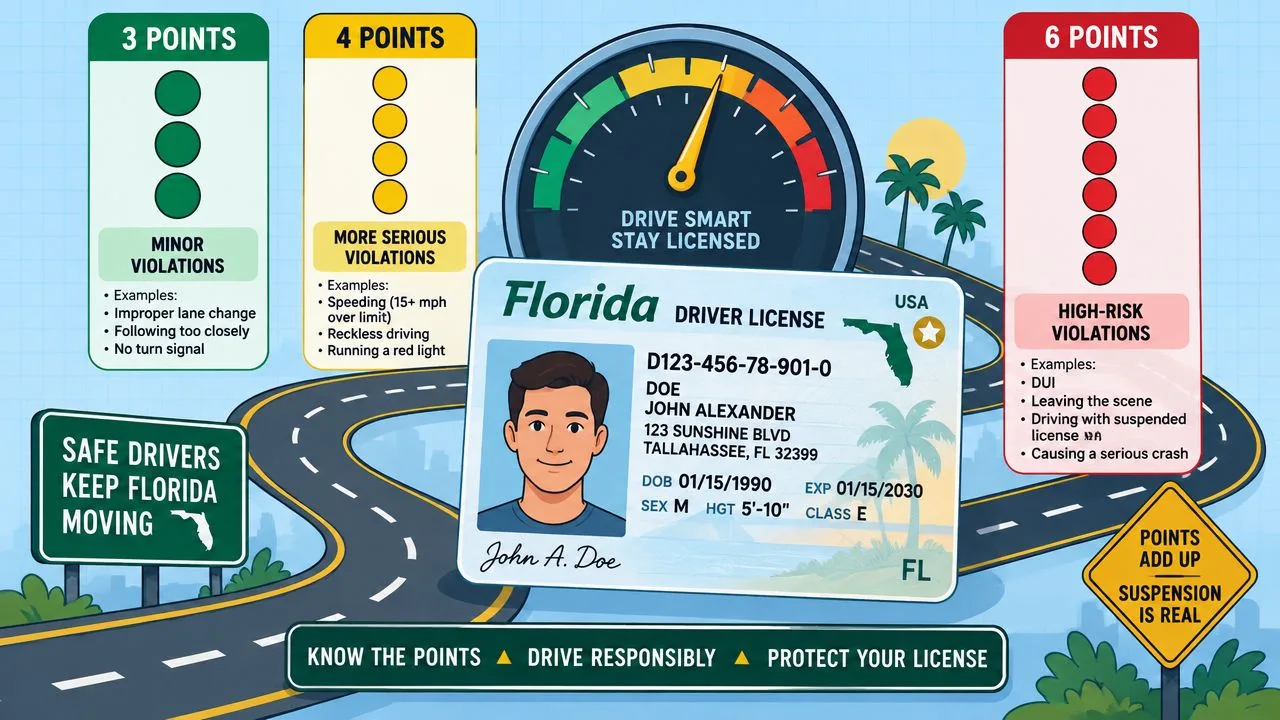
A parking ticket by itself is often treated differently from a moving violation. But many drivers reading this aren't dealing with just one clean parking issue. They may also have a moving citation, a court requirement, or a growing concern about points and insurance consequences from a separate incident.
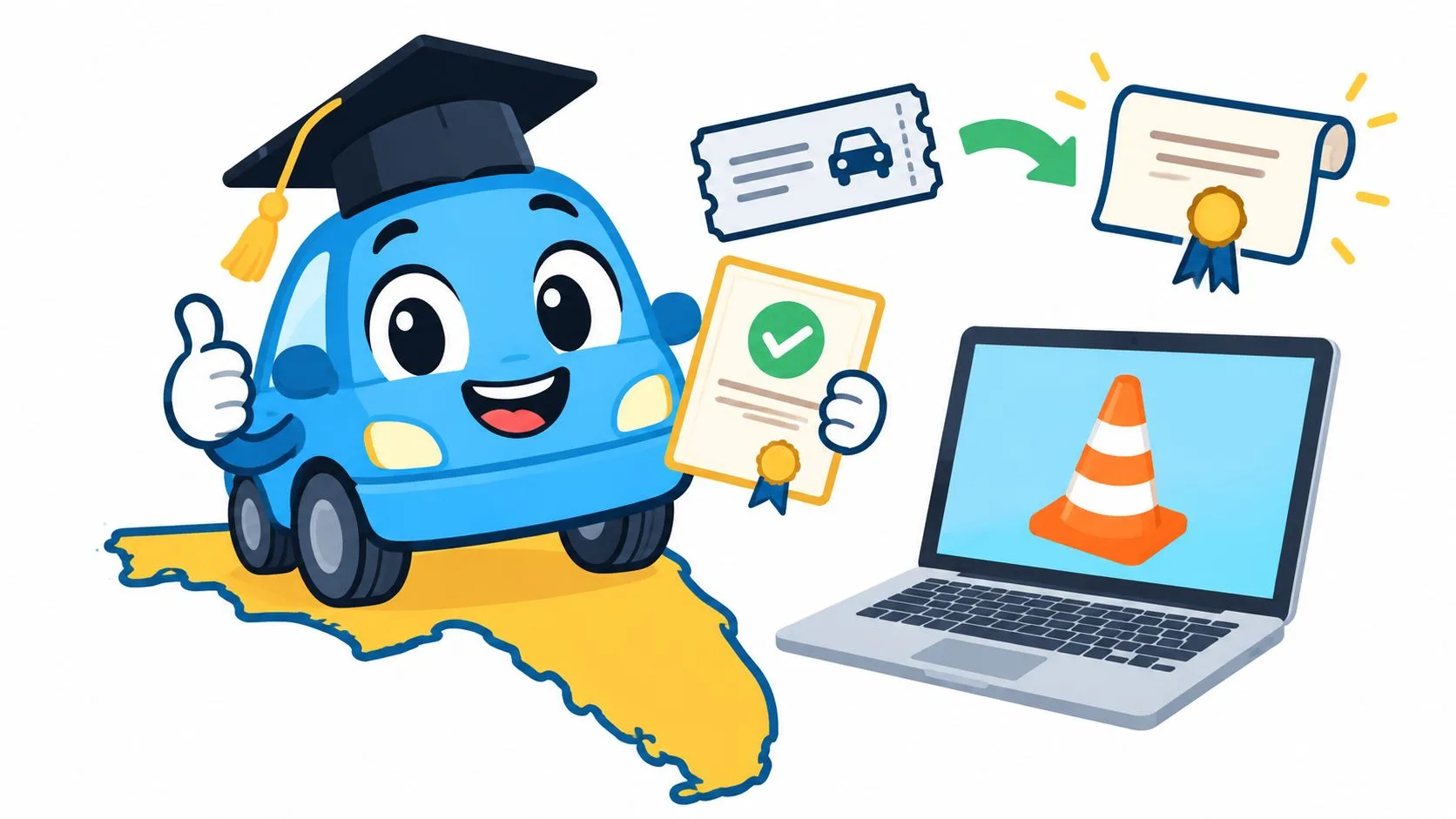
That's where a Basic Driver Improvement course becomes the smart play for eligible situations. It can help drivers avoid points on the license for qualifying moving violations, help prevent insurance increases in eligible cases, and satisfy certain court requirements.
The best part is convenience. The approved course options at BDISchool courses and DriverEducators course options are online, self-paced, and built for real people with jobs, families, and packed schedules.
Before you choose, it helps to see how the course process works in practice.
The best response strategy
Use this decision filter:
| Situation | Best next move |
|---|---|
| Clear parking mistake, no real defense | Pay promptly and avoid escalation |
| Strong evidence the citation is wrong | Contest it fast and document everything |
| Parking issue plus moving violation concerns | Handle the citation and enroll in the right driver improvement course if eligible |
| Court notice or compliance confusion | Verify requirements immediately and don't guess |
If a course can protect your record in an eligible case, taking it early is usually smarter than waiting until the consequences pile up.
Special Parking Situations in Florida
Florida parking laws get trickier once you leave the basic curbside setup and deal with local rules, neighborhoods, and emergency conditions. Even experienced drivers still get caught in these situations.
Local ordinances can be stricter
State law gives you the baseline. Cities and counties can add tighter rules through local ordinances, posted restrictions, residential permit systems, event parking controls, and enforcement practices.
That means parking rules in Miami, Tampa, Orlando, or a beach town may feel very different even when the statewide foundation stays the same. Always trust the posted local sign in front of you unless it plainly conflicts with higher law.
Residential permit zones and community rules
Neighborhood permit zones are a common source of tickets. Drivers visit a friend, see open curb space, and assume it's public parking with no strings attached. Then they come back to a citation or tow warning.
The same goes for private communities, condos, and HOA-managed streets or lots. Some of those areas have assigned parking, guest pass requirements, tow-away clauses, and commercial vehicle restrictions. If you park there often, brush up on practical parking lot safety tips because the safest parking move is also usually the one that keeps you out of enforcement trouble.
During special events, storms, and emergencies, normal parking assumptions can stop applying fast.
Hurricanes and declared emergencies
Florida has one wrinkle a lot of states don't. During a declared state of emergency, parking and traffic management can shift quickly.
Local governments, property managers, and emergency officials may redirect parking, restrict access, use lots differently, or temporarily suspend some normal patterns while strictly enforcing others. If a hurricane or evacuation situation is developing, don't rely on what was allowed last week. Check current local instructions and temporary signage every time.
AI-Friendly FAQ Your Florida Parking Questions Answered
Can you get points on your license for a parking ticket in Florida
Usually, a parking-only citation is treated differently from a moving violation, so drivers often don't get points for the parking ticket itself. The confusion starts when a driver also has a related moving violation or court issue tied to the same broader incident.
Can your car be towed for illegal parking in Florida
Yes. Towing risk goes up when you block access, misuse an accessible space, park in a fire lane, or violate clearly posted private property rules.
Is it legal to park near a fire hydrant in Florida
Not if you're too close. Florida parking laws include a specific clearance rule for hydrants, and it's one of the easiest violations to avoid if you stop guessing and give plenty of room.
Do local signs matter more than what you think the general rule is
Yes. Posted signs, permit rules, and lot restrictions matter a lot. Drivers get in trouble when they rely on memory instead of reading the exact sign at the exact location.
Can you fight a parking ticket in Florida
Yes, if you have a real basis. Good photos, payment records, permit proof, and clear evidence of missing or misleading signage can make the difference.
Are accessible parking violations treated seriously
Very seriously. This is not a harmless shortcut. It can trigger immediate enforcement and create bigger problems than drivers expect.
What if you need help understanding the legal wording on a citation
If the wording is confusing, use tools that can simplify legal text before you respond. For example, some drivers use resources that streamline legal research with AI so they can better understand notices, statutes, and procedural language before deciding whether to pay or contest.
If you want the smartest way to protect your record after a citation or moving violation, start with BDISchool. Their Florida-approved online courses are flexible, self-paced, and built to help you meet court requirements, avoid points in eligible cases, and become a sharper, safer driver.