You’re already late. Your phone lights up with a notification, two friends ask for a ride, and rain starts falling as you pull away from the driveway. That combination can turn an ordinary trip into a chain of rushed decisions.
Safe driving isn’t one perfect maneuver. It’s a repeatable system: secure the vehicle, control your attention, manage speed and space, anticipate mistakes, adapt to Florida conditions, and build experience under supervision. These safe driving tips for teens follow that real routine, from the moment you reach for the keys to the moment you park.
You’ll also find a compact pre-drive checklist, practice exercises for teens and parents, Florida-specific reminders, and direct answers to common questions. For families who want structured instruction alongside practice, teen driving safety tips for Georgia offers another useful safety resource, while BDISchool’s online driver education courses provide defensive-driving guidance and preparation for responsible independent driving.
1. Buckle Up Every Time
Put on your seat belt before you start the engine. Make it the first physical action of every drive, whether you’re leaving for school, moving the car across a parking lot, or heading across town.
The driver sets the standard. Don’t move until every passenger is restrained, and make “no seat belt, no ride” a firm family rule rather than a suggestion. A friend might say the destination is close or that they’ll buckle up once you reach the main road. Refuse the excuse. A crash can happen before anyone has time to correct the choice.
Make the routine automatic
Check the belt’s position before shifting into gear:
- Lap belt: Keep it low across your hips, not across your stomach.
- Shoulder belt: Position it across your chest, not against your neck.
- Rear passengers: Confirm that people in the back seat are properly restrained too.
- Every trip: Apply the same rule for short drives, late-night returns, and rides with friends.
Parents can reinforce the habit by making seat-belt use a condition of getting the car keys. Teens can normalize it with friends by buckling up immediately and calmly asking everyone else to do the same. Responsible passengers won’t treat a basic safety request as embarrassing.
Practical rule: If someone isn’t buckled, the car doesn’t move.
BDISchool’s teen-focused education connects this simple routine with the larger decisions that protect new drivers. A course can help teens understand why preparation matters before they face pressure from passengers, weather, or a rushed schedule.
2. Eliminate Distractions
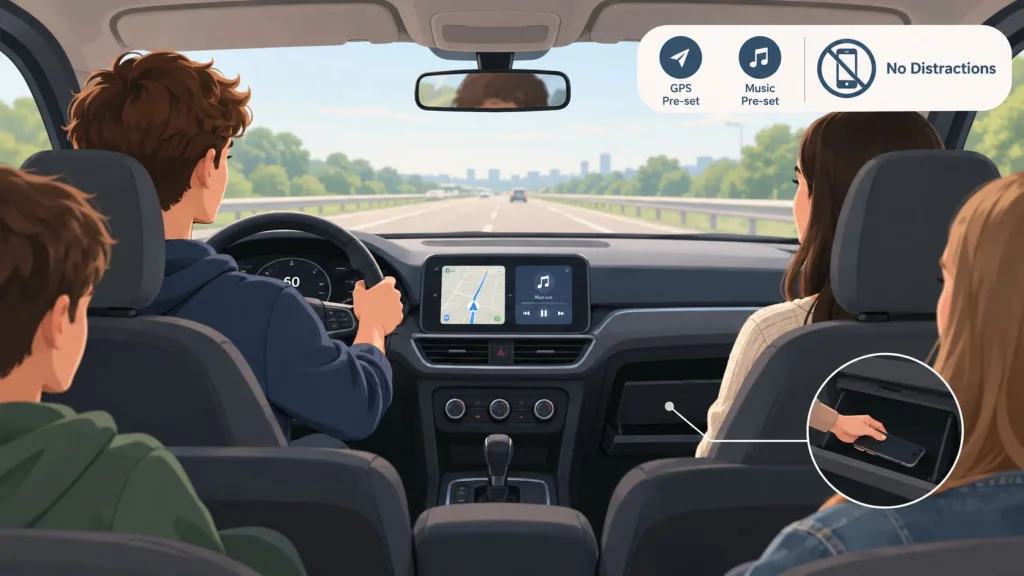
Your phone belongs somewhere you can’t reach it while driving. Turn on Do Not Disturb, silence notifications, and store the device in the glove compartment, a secured console, or another location that keeps it out of sight.
NHTSA reports that texting while driving increases a teen’s crash risk by 23 times, while dialing a phone number increases it by six times. Read those figures as a clear action rule: don’t text, dial, scroll, or handle your phone once the vehicle is moving. BDISchool’s distracted-driving awareness course can reinforce how quickly a routine notification becomes a dangerous interruption.
Prepare before the wheels move
Set navigation, choose your playlist, adjust the mirrors, and check the route before leaving the driveway. If the route changes, pull over safely before touching the phone.
Passengers can help by becoming the technology manager. They can manage directions, adjust music when necessary, and keep conversations calm. They shouldn’t encourage filming, searching for songs, taking photos, or reacting to messages while you’re driving.
A realistic test is the notification that appears as you approach an unfamiliar intersection. You may feel certain that checking it will take only a moment. It won’t. Let it wait, or stop in a legal, safe location before handling the device.
Practice the same phone routine on every drive until storing it becomes as automatic as fastening your belt. Parents should model the rule too. A teen is more likely to accept a no-phone expectation when adults follow it consistently.
3. Avoid Speeding
Speed determines how much time you have to recognize a hazard and how much energy a crash can release. Drive at or below the posted limit, then slow further when rain, traffic, darkness, construction, or poor visibility reduces your margin for error.
Don’t let an empty road convince you that the limit no longer applies. In a residential area, maintain the posted speed even when no one appears nearby. In a school zone, obey the sign and slow further when children are present. On a wet highway, a posted limit may be legal but still too fast for your tires and visibility.
Leave before you’re rushed
Running late creates pressure to accelerate, follow too closely, and accept gaps you’d normally reject. Build extra time into the trip instead of trying to recover it behind the wheel.
Check the speedometer regularly because speed can drift upward without you noticing. Cruise control may help maintain a steady pace on a long, dry highway, but it isn’t a substitute for active attention and should never encourage you to ignore changing conditions. BDISchool’s speed-management guidance can help teens connect posted limits with real decisions about traffic and weather.
The safer choice is the speed that leaves you time to think, not the speed that gets you there fastest.
Parents can coach without turning every drive into a lecture. Ask, “What changed on this road?” when rain begins or traffic tightens. That question encourages the teen to adjust speed deliberately rather than react after control has already deteriorated.
4. Maintain Safe Following Distance
The vehicle ahead can stop suddenly. A safe following distance gives you time to see the brake lights, decide what to do, and stop without relying on perfect reflexes.
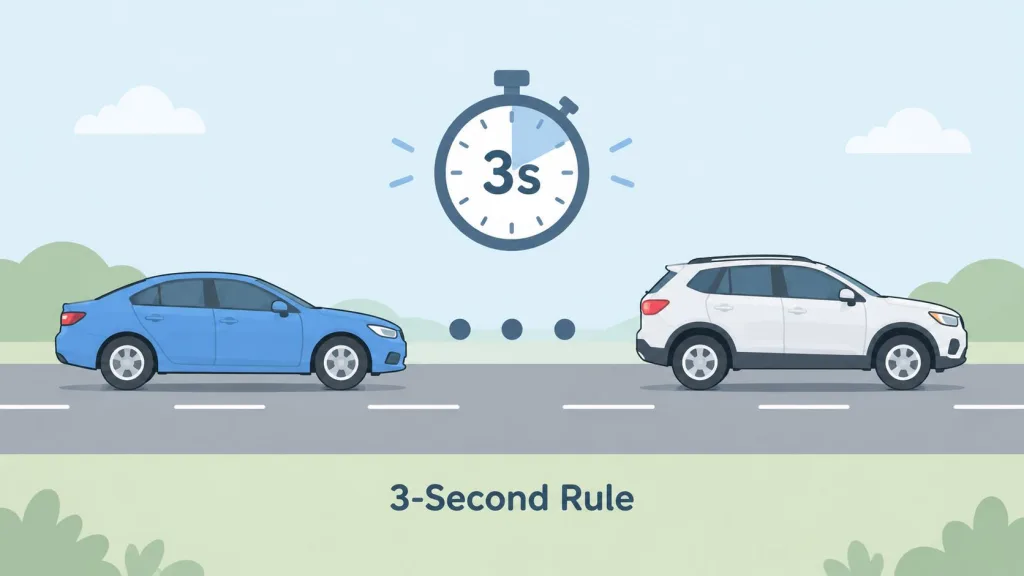
Use the three-second rule on normal, dry roads. Select a fixed object, such as a sign, tree, or pavement mark. When the vehicle ahead passes it, count steadily. You should reach that object no sooner than three seconds later.
Add space when conditions change
Wet roads, glare, darkness, heavy traffic, and limited visibility all require more room. Extend the gap to four, five, or six seconds when conditions make braking and seeing more difficult. Don’t tailgate because another driver is moving slowly, and don’t reduce your space because someone behind you is impatient.
If a driver follows too closely, keep your own safe distance. Change lanes when it’s safe or allow that driver to pass, but don’t respond by speeding or braking aggressively.
A parent can turn the technique into a practice exercise during a calm drive. Ask the teen to identify a fixed object, count the seconds aloud, and explain whether the gap should expand as conditions change. The goal is for the space to become a habit rather than a calculation that appears only during lessons.
On a rainy route to school, a larger gap also gives you more options if a vehicle ahead splashes water, changes lanes unexpectedly, or brakes near standing water. Space is a control tool. Keep enough of it to use.
5. Practice Defensive Driving
Defensive driving means expecting other road users to make mistakes and positioning yourself so those mistakes don’t become your emergency. Keep your eyes moving, scan beyond the vehicle directly ahead, and look for clues before a hazard enters your lane.
A car stopped near an intersection may reverse. A vehicle drifting within its lane may move toward you. A pedestrian near the curb may step into the street. You don’t need to predict exactly what another person will do. You need to notice the possibility early enough to slow, change position, or stop.
Build an escape route
Check mirrors and blind spots regularly, and avoid staying beside another vehicle for longer than necessary. Leave yourself an open path where possible, especially near intersections, on-ramps, and crowded roads. If you can’t see a truck’s mirrors, assume its driver may not see you.
Use BDISchool’s defensive-driving course to strengthen the decision-making behind these habits. The most useful training doesn’t stop at naming hazards. It helps you practice what to do when a hazard develops.
A parent can ask the teen to narrate the scan: “Pedestrian on the right, vehicle entering from the side street, motorcycle in the mirror, open space to the left.” This exercise keeps the teen actively processing the road instead of staring at one point.
“Assume the other driver doesn’t see you, then choose a position that gives you time to respond.”
Aggressive drivers deserve distance, not engagement. Let them pass when possible, keep your attention forward, and never compete over a lane, a gap, or a light.
6. Adjust for Weather and Road Conditions
Florida weather can change during one trip. A bright afternoon can become a heavy thunderstorm, and standing water can appear faster than a new driver expects. Slow down, increase following distance, turn on headlights when visibility decreases, and avoid treating familiar roads as automatically safe.
Heavy rain reduces visibility and traction. Avoid cruise control on wet roads, keep both hands available for steering, and ease off the accelerator if the vehicle begins to hydroplane. Don’t slam on the brakes or make a sharp steering movement. Steer straight while reducing acceleration, then regain control gradually.
Make a weather decision before departure
Check the route and conditions before leaving. If visibility is poor, roads are flooded, or the trip feels unsafe, delay it, reroute, or ask a trusted adult for help. Never drive through standing water. “Turn Around, Don’t Drown” applies to every driver, including teens who know the road well.
Use headlights as soon as visibility drops, including during daytime storms and fog. Increase your following distance substantially on wet roads, and reduce speed enough to maintain control rather than trying to preserve your normal travel pace.
A quick vehicle check matters too. Ask a parent or qualified technician to check tire pressure, tread, brakes, lights, and wipers. Worn tires lose traction sooner, especially when rain covers the roadway. BDISchool’s adverse-conditions guidance can support practice conversations about rain, fog, darkness, and changing road surfaces.
7. Limit Passengers
Passengers can change a teen driver’s attention, emotions, and choices. Friends may talk loudly, request a different route, encourage a quick acceleration, or pressure the driver to take a risk that wouldn’t seem acceptable alone.
Start independent driving with solo trips or rides involving trusted adults. Parents should set clear passenger expectations before handing over the keys, not during an argument outside the car. The restriction isn’t a punishment. It gives the driver time to build judgment without managing several people at once.
Add passengers gradually
Introduce one passenger after the teen demonstrates steady control and responsible decision-making. Add more riders only as experience grows and family rules, licensing restrictions, and local requirements allow it.
A teen can explain the boundary to friends in one sentence: “I’m keeping rides limited while I build experience.” That answer is responsible, not antisocial. If you’re rushed, upset, tired, or distracted, say “not today” and don’t accept a ride request to avoid disappointing someone.
Parents can ride along during early practice and observe whether the teen keeps scanning, maintains space, and responds calmly to interruptions. They should praise the specific behavior, such as waiting for a safe gap or choosing not to pass, instead of praising speed or confidence alone.
A useful family agreement covers who may ride, when rides are allowed, what behavior is unacceptable, and how the teen can call for help. The safest plan also includes a no-questions-first emergency ride option when a teen or friend feels unsafe.
8. Never Drive Impaired
Alcohol, marijuana, illegal drugs, and some prescription or over-the-counter medications can affect judgment, coordination, alertness, and reaction time. The safe decision is simple: never drive after consuming or taking anything that may impair you.
Plan the ride home before an event begins. Save trusted adult contacts, arrange a designated driver, use a rideshare service such as Uber or Lyft where appropriate, or stay overnight with a friend. Don’t wait until you’re impaired to decide. Judgment is exactly what may be compromised.
Protect your friends too
Never let an impaired friend drive. Take the keys, call a parent or trusted adult, arrange another ride, or help the friend stay somewhere safe. A friend may complain in the moment, but preventing a dangerous trip matters more than avoiding an uncomfortable conversation.
Parents should make the emergency plan clear: the teen can call for a ride without fearing an immediate argument in the car. The safety conversation can happen later. The priority is keeping an impaired person away from the driver’s seat.
Florida also treats impaired driving as a serious legal issue. A DUI conviction can bring license suspension, fines, and insurance consequences, but the immediate danger is physical. No destination, party, or promise to “drive carefully” makes impairment compatible with safe driving.
8-Point Teen Driving Safety Comparison
| Safety Measure | 🔄 Implementation Complexity | ⚡ Resource Requirements | 📊 Expected Outcomes | 💡 Ideal Use Cases | ⭐ Key Advantages |
|---|---|---|---|---|---|
| Buckle Up Every Time: Make Seatbelts Non-Negotiable | 🔄 Low, habit/enforcement | ⚡ Minimal, seatbelt already present, seconds to fasten | 📊 Reduces serious injury ~50%, fatality ~45% | 💡 Every trip, short drives, all passengers | ⭐ Very effective, immediate protection, legal compliance |
| Eliminate Distractions: Keep Your Eyes on the Road | 🔄 Medium, requires discipline & routines | ⚡ Low, phone settings, storage out of reach | 📊 Significantly lowers distraction-related crash risk; improves reaction time | 💡 Urban driving, teen drivers, long trips | ⭐ Strong reduction in distraction crashes; builds safe habits |
| Avoid Speeding: Match Speed to Conditions | 🔄 Medium, continuous monitoring & judgement | ⚡ Low, cruise control/time adjustments | 📊 Reduces crash severity/fatalities; improves fuel economy | 💡 Highways, adverse weather, school/residential zones | ⭐ Lowers impact forces, preserves vehicle, cost-saving |
| Maintain Safe Following Distance: The 3-Second Rule | 🔄 Low, easy to learn, needs vigilance | ⚡ Minimal, attention and practice | 📊 Cuts rear-end collision risk substantially (up to ~90% reported) | 💡 Highways, rain/fog, heavy traffic | ⭐ Simple, high-impact defensive spacing technique |
| Practice Defensive Driving: Anticipate & React | 🔄 High, continuous 360° awareness & practice | ⚡ Moderate, training time, mental energy | 📊 Broad reduction in accidents caused by others’ errors | 💡 Complex traffic, novice drivers, long trips | ⭐ Comprehensive risk reduction; builds long-term skills |
| Adjust for Weather & Road Conditions | 🔄 Medium, variable judgement per condition | ⚡ Moderate, slower speeds, vehicle maintenance (tires) | 📊 Prevents weather-related crashes and hydroplaning | 💡 Heavy rain, fog, flooded roads, night driving | ⭐ Reduces environmental hazard risk; protects vehicle occupants |
| Limit Passengers: Reduce Distractions & Peer Pressure | 🔄 Low–Medium, rule-setting and enforcement | ⚡ Minimal, parental oversight and consistent rules | 📊 Lowers teen crash risk significantly (reported ~62% reduction) | 💡 New drivers, early independent months | ⭐ Reduces peer-induced risky behavior; easier focus |
| Never Drive Impaired: Zero Tolerance for Alcohol/Drugs | 🔄 Low, clear rule but needs planning | ⚡ Moderate, backup rideshare/plan ahead | 📊 Eliminates major cause of teen fatalities; avoids legal consequences | 💡 Events with alcohol/drugs, late-night outings | ⭐ Maximally protective; prevents legal and long-term harms |
Turn Good Intentions Into Driving Habits
Use this checklist before every trip:
- Secure every occupant: Confirm that everyone is buckled before starting the engine.
- Silence and store the phone: Activate Do Not Disturb and keep the device out of reach.
- Set navigation first: Enter the destination and choose music before leaving.
- Check conditions: Review weather, traffic, visibility, and the route.
- Confirm passengers: Know who’s riding and whether the trip fits your family rules.
- Choose control over speed: Match speed and following distance to the road, traffic, and weather.
Parents and teens should practice these actions when there’s no pressure to get somewhere. On a quiet drive, count the following seconds aloud and explain when the gap needs to grow. Have the teen narrate hazard scans by identifying side streets, pedestrians, motorcycles, vehicles in blind spots, and available escape routes.
Rehearse peer pressure before it happens. One person can play the friend who asks for a ride, urges speeding, or wants the phone checked. The teen should practice a short response, refuse the request, and pull over if the situation becomes distracting.
Practice a rainy-day decision too. Review the route, identify areas that may flood, and decide when to delay or reroute. The teen should know that turning around is a successful safety decision, not a failure to complete the trip.
Frequently asked questions
What is Florida’s alcohol rule for drivers under 21?
Florida applies a stricter alcohol standard to drivers under 21. Teens should never drive after drinking, and they should use a pre-arranged safe ride instead.
How should teens plan passengers?
Begin with solo driving or trusted adult passengers, then add riders gradually as experience and control improve. Follow applicable Florida licensing restrictions and family rules.
When should teens avoid night driving?
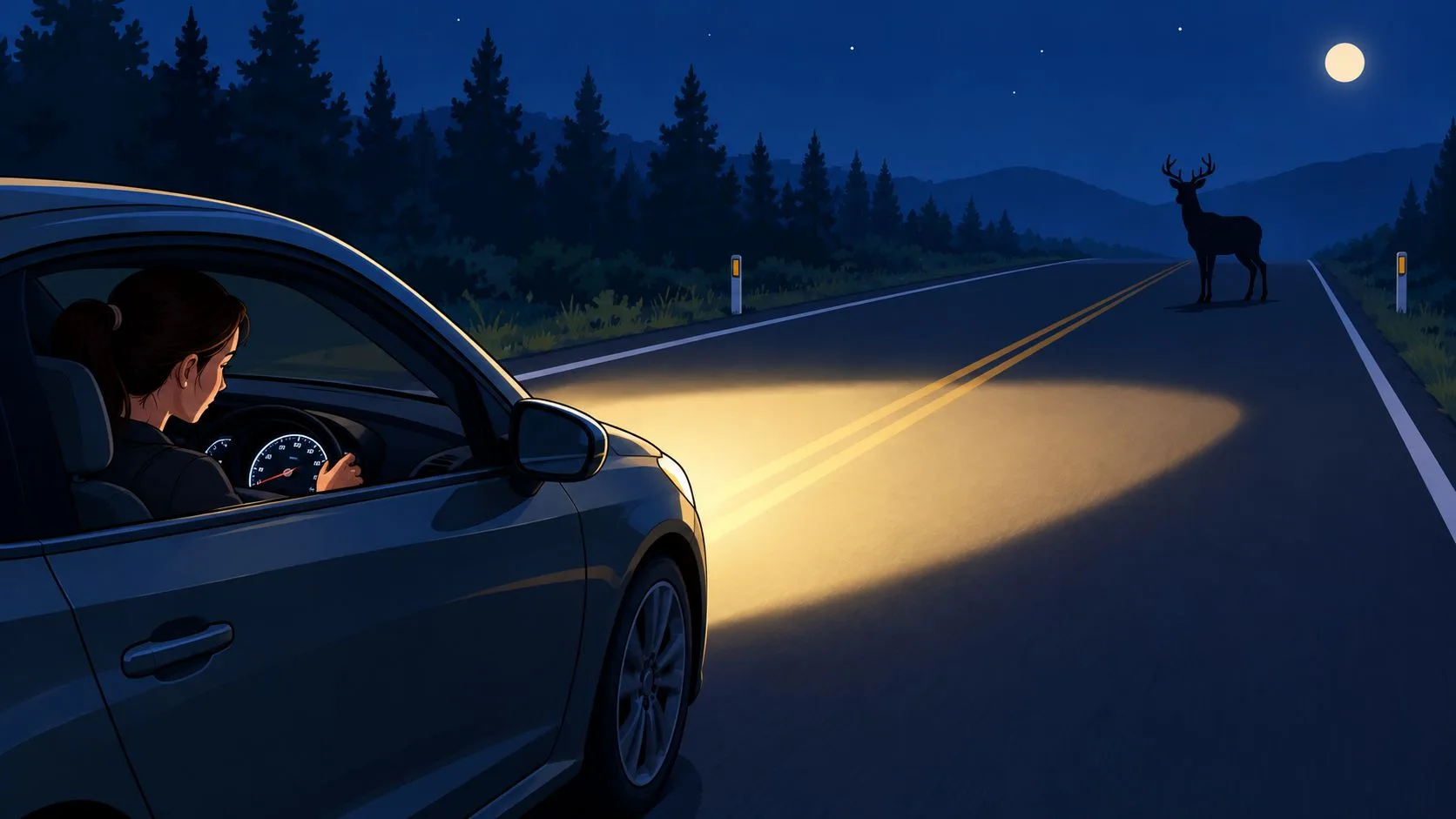
New drivers should limit unnecessary night driving while building experience. Darkness reduces visibility, so slow down, increase space, and avoid driving when tired or conditions are difficult.
What counts as distracted driving?
Texting, dialing, changing music, eating, handling navigation, and turning toward passengers all take attention away from driving. Prepare before moving and stop safely if something needs your full attention.
What should I do if a friend is impaired?
Don’t let the friend drive. Take the keys if necessary, call a trusted adult, arrange a safe ride, or help the friend stay overnight.
BDISchool offers online driver education designed to help teens and families build these habits with structured lessons, defensive-driving guidance, and real-world scenarios. Its broader Florida-approved options include Basic Driver Improvement and Intermediate Driver Improvement courses, while teen-focused preparation addresses responsible decisions before independent driving begins. Explore the available programs at BDISchool’s online courses.
Visit BDISchool to explore online driver education and Florida-approved BDI and IDI options that reinforce defensive driving, distraction control, and safer decision-making. Choose a course, begin the lessons, and turn these safe driving tips into habits you can use on every trip.