Reckless driving generally means operating a vehicle with willful or wanton disregard for safety, with common examples including excessive speeding, aggressive tailgating, road rage, distracted driving, impaired driving, unsafe lane changes, running red lights or stop signs, and street racing or ignoring Move Over requirements. Speeding-related crashes killed 11,775 people in the United States in 2023.
That death toll, documented in NHTSA's speeding crash report, shows why a familiar driving habit can deserve serious attention. A single dangerous decision can expose a driver to fines, points, insurance consequences, court requirements, or a criminal charge.
Not every mistake automatically meets Florida's reckless-driving standard. The circumstances matter, including visibility, traffic, road conditions, and whether the driver deliberately disregarded an obvious danger.
- After a citation, identify the exact violation before choosing traffic school.
- After a court order, confirm the required course rather than assuming any defensive-driving class will qualify.
- After a near miss, address the behavior before another trip ends differently.
Florida drivers should also avoid applying another state's rules to their own case. Resources discussing Georgia DUI and reckless driving defenses concern a different jurisdiction, not a substitute for Florida-specific advice.
The practical goal is to understand the danger, recognize the legal distinction, and choose appropriate education through BDISchool or DriverEducators when eligible.
1. Excessive Speeding
Excessive speeding means driving above the posted limit or faster than conditions safely allow. A speed that feels manageable on a dry road can leave too little room to stop when rain, darkness, or traffic changes the situation.
Consider a driver approaching a wet curve too quickly. The driver brakes late, loses control, and slides toward another lane. Another scenario involves speeding through a school zone and being unable to stop for a pedestrian crossing legally.
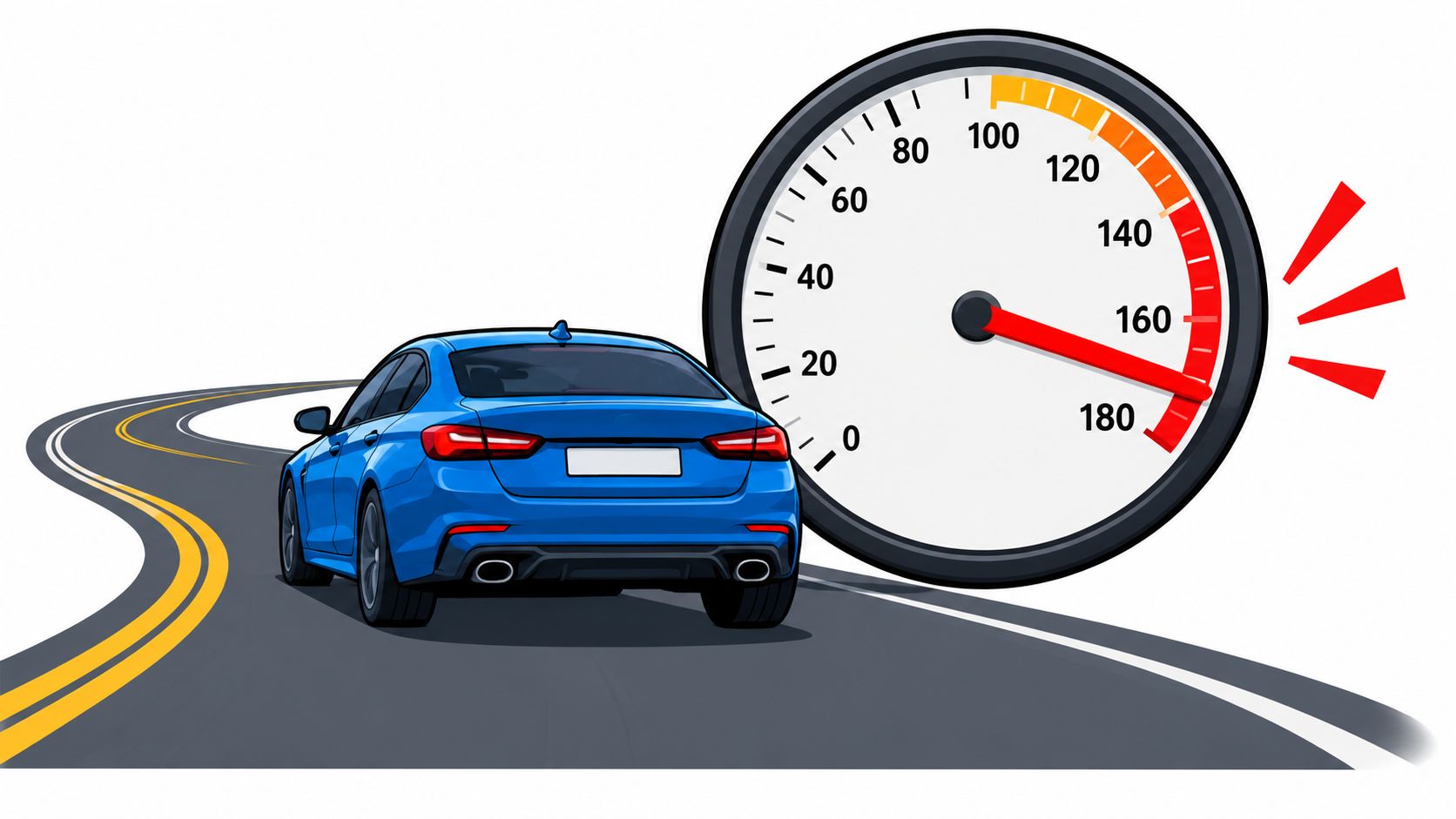
Higher speed reduces the time available to respond, increases stopping distance, and makes a collision more severe. The posted limit isn't a guarantee that driving at that speed is safe under every condition.
Replace Rushing With Speed Management
- Set a reminder. Use a speed alert, or cruise control when road and traffic conditions make it appropriate.
- Adjust early. Reduce speed before entering wet curves, work zones, or areas with limited visibility.
- Protect stopping space. Leave a generous following gap rather than depending on sudden braking.
Florida's reckless-driving standard doesn't make every speeding violation a reckless-driving offense. Deliberately maintaining a dangerous speed despite obvious hazards is a different situation from an isolated speed-limit violation.
BDISchool's speed-management guidance can help you connect speed choices with stopping space and hazard recognition. For an eligible speeding citation, consider the Basic Driver Improvement course in the BDISchool course catalog to help avoid points associated with that ticket, subject to the applicable election requirements.
2. Aggressive Tailgating
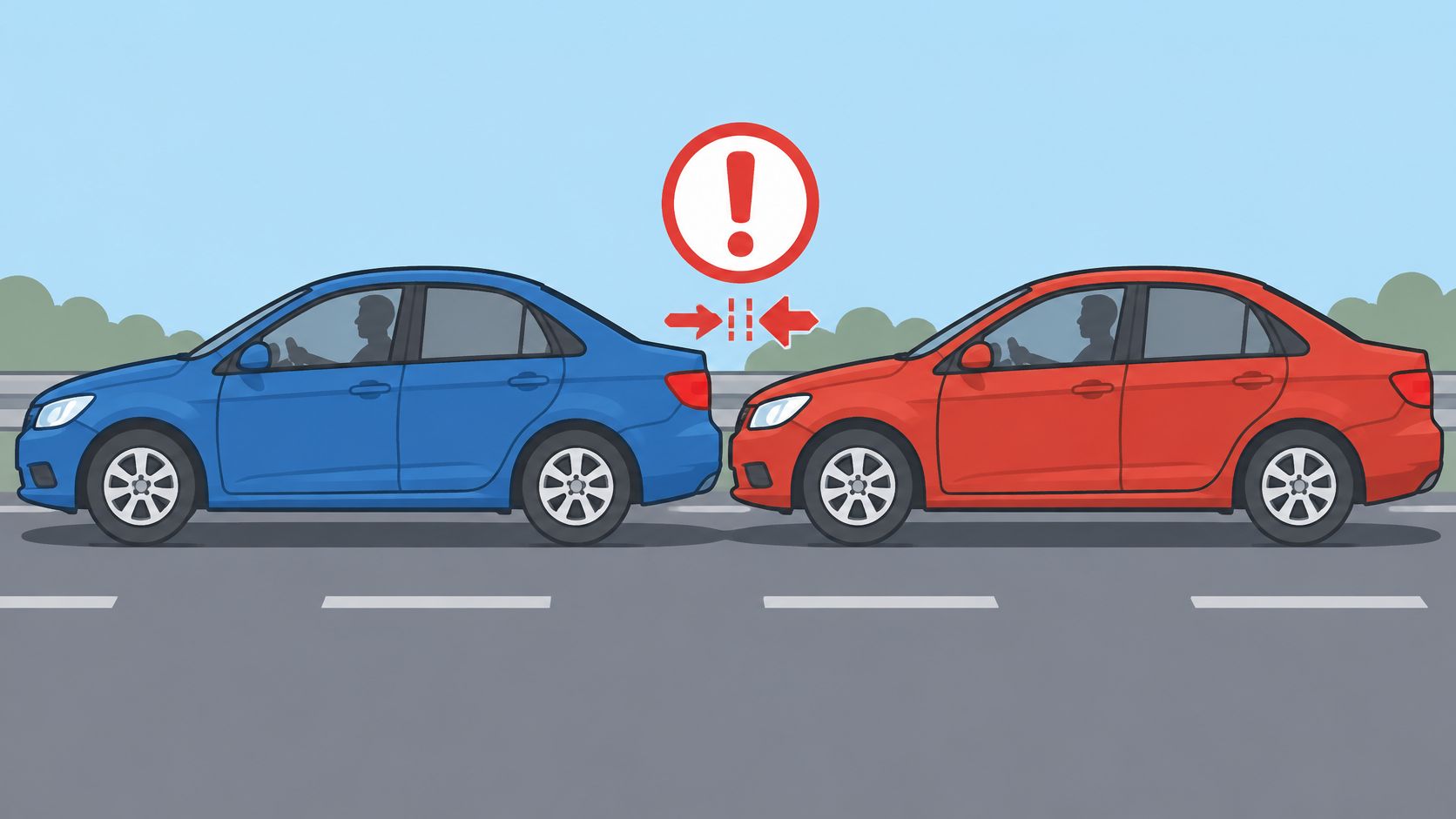
Tailgating means following another vehicle too closely to stop safely when it slows or brakes. Aggressive tailgating adds pressure: the following driver uses a short gap to push someone into speeding up or moving aside.
Suppose a driver crowds a truck, then the truck brakes for an animal. The following driver has used up the space needed to recognize the hazard and stop. On a busy interstate, that first rear-end impact can also put vehicles behind it in danger.
Leave Room for Someone Else's Emergency
Use a fixed roadside object to judge your gap, and increase that gap when rain, poor visibility, or vehicle size makes stopping harder. Counting time is more useful than guessing whether the empty pavement looks sufficient.
Practical rule: Your following distance should let you respond to the vehicle ahead, not depend on its driver never braking unexpectedly.
Florida identifies following too closely among the behaviors relevant to aggressive careless driving. Its statutory distinctions between aggressive careless and reckless driving also explain why a combination of dangerous actions matters.
Tailgating while speeding and repeatedly forcing lane changes creates a different picture from a brief misjudgment that the driver immediately corrects. Either way, the safe response is to restore space.
Review BDISchool's safe-following-distance guidance before your next highway trip. For drivers assigned more extensive instruction, the Intermediate Driver Improvement course in the DriverEducators course catalog offers a practical setting to revisit defensive-driving decisions, provided it matches the court's requirements.
3. Road Rage and Aggressive Driving
Road rage is hostile or confrontational behavior directed at another road user. Aggressive driving is broader: it includes dangerous driving choices such as speeding, weaving, blocking merges, or following too closely.
A driver who pursues another vehicle after a lane-change dispute and tries to force it off the road is using the vehicle to threaten someone. A disagreement that turns into a physical confrontation at a red light creates another kind of immediate danger.
The behaviors aren't rare in historical survey evidence. A national AAA Foundation survey cited in NHTSA's speeding and speed-management guidance found that more than 78% of drivers reported at least one aggressive-driving behavior during the previous year.
Interrupt the Escalation
- Create distance. Let an aggressive driver move away rather than competing for the same space.
- Decline the confrontation. Don't retaliate, block the driver, or follow the vehicle.
- Reduce time pressure. Leave earlier and use a calm breathing routine when frustration starts affecting decisions.
Anger doesn't excuse unsafe driving. Under Florida's reckless-driving standard, deliberately endangering another person matters more than the driver's explanation that someone else started the dispute.
You also don't need to feel angry to drive aggressively. Repeatedly cutting people off because you're late still forces other drivers to compensate for your choices.
BDISchool's Aggressive Driver Course is the most directly relevant option when the problem is recurring intimidation, impulsive reactions, or competitive driving. Check the course listing and any court order before enrolling, then approach the work as behavior change rather than a certificate requirement.
4. Distracted Driving (Texting and Phone Use)
Distracted driving is any activity that takes attention away from driving. Texting is especially concerning because a driver may look away, handle the phone, and concentrate on a conversation instead of the road.
A driver reading a message can miss stopped traffic and rear-end another vehicle. Someone changing a playlist can drift across a lane line without noticing the neighboring car.
Remove the Decision Before Departure
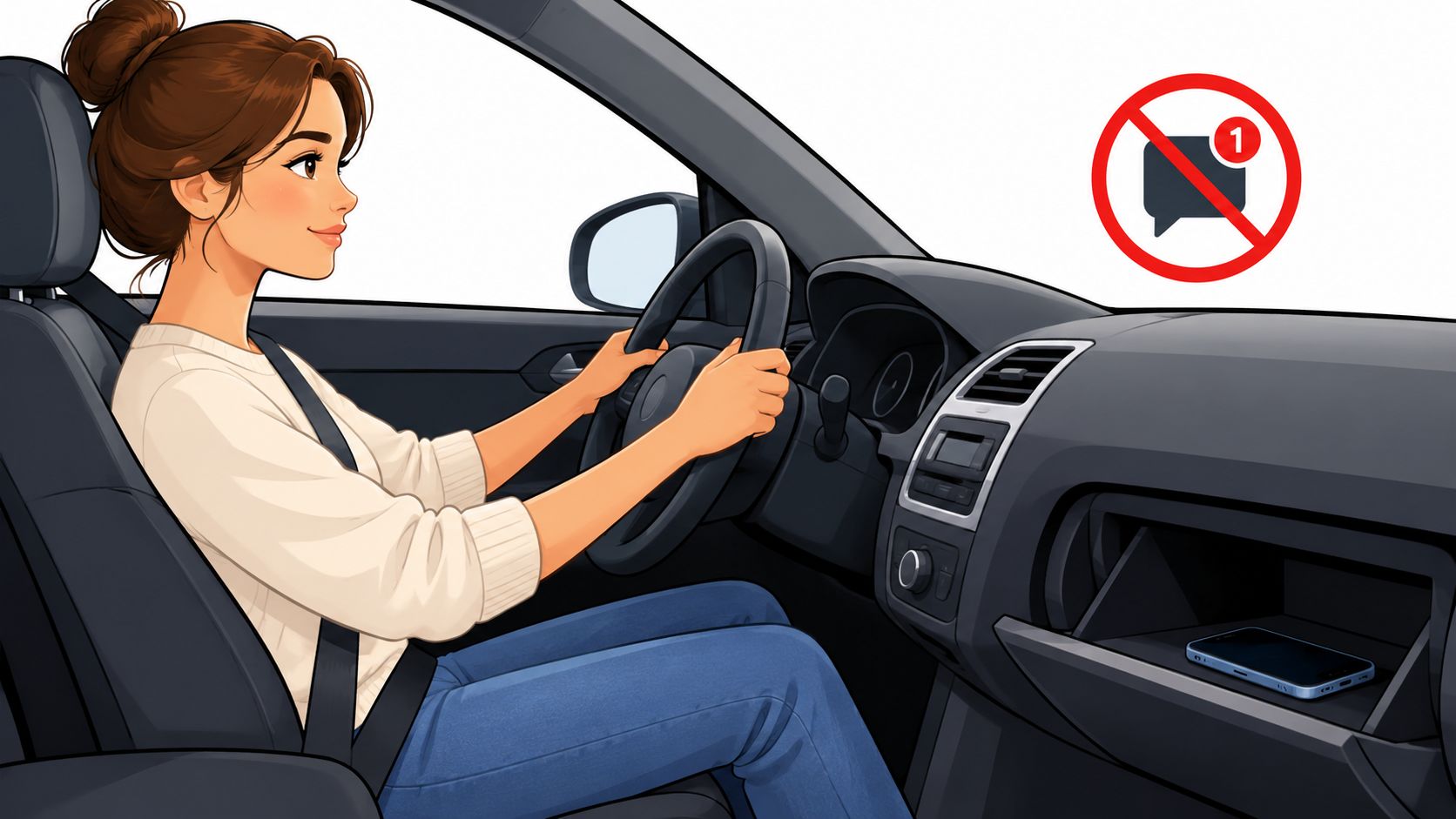
Put the phone away before moving, enable a driving-focused notification setting, and choose navigation and music while parked. If something needs attention during the trip, pull into a safe parking place before handling it.
- Store it out of reach. A glove compartment can remove the temptation to check a notification.
- Prepare the route. Review unfamiliar turns before departure instead of making last-second screen adjustments.
- Ask a passenger. Let someone who isn't driving manage messages or directions when available.
A phone-related violation and a reckless-driving charge aren't interchangeable. Applying Florida's reckless-driving standard requires examining the conduct and surrounding danger, not just noticing that a phone was present.
Still, repeatedly looking away while approaching congestion or an intersection is a warning sign that deserves immediate correction. Review Florida cell-phone driving laws to understand the rules relevant to your situation.
The Basic Driver Improvement course is a practical option for eligible drivers who need to revisit attention management and defensive habits after a citation. Confirm the ticket's eligibility first; course completion shouldn't be treated as automatic dismissal or permission to keep using the same risky routine.
5. Impaired Driving (Alcohol and Drugs)
Impaired driving means driving after alcohol, drugs, or medication reduces your ability to operate safely. The concern is driving ability, not whether the substance was purchased legally or prescribed by a clinician.
For example, a driver who has been drinking may fail to recognize a red light and collide with crossing traffic. A driver affected by sedating medication may drift out of a highway lane or respond too slowly when traffic stops.
Arrange the ride before drinking or taking a substance that could impair driving. Don't leave the transportation decision to a moment when your judgment may already be affected.
Separate General Education From Required Treatment
Florida law specifically addresses substance involvement in reckless-driving cases. When a court has reasonable cause to believe specified substances contributed to the violation, it must direct the convicted driver to complete a DUI-program substance-abuse education course and evaluation, as described in Florida's reckless-driving statute.
That requirement is important when choosing a course. Ordinary driver improvement isn't a substitute for a specifically ordered DUI program or evaluation.
- Choose another ride. Use a designated driver, rideshare, or public transportation after drinking.
- Check medication warnings. Ask a pharmacist or prescriber about driving restrictions and interactions.
- Follow the actual order. Confirm every required program before paying for instruction.
DriverEducators' Intermediate Driver Improvement course can support broader learning about judgment, hazard recognition, and impaired-driving prevention when appropriate. If your case includes a substance-related requirement, verify separately that you're enrolling in the exact program the court requires.
Education is useful, but the immediate safety decision comes first: don't drive when your ability is affected.
6. Unsafe Lane Changes and Weaving
Unsafe lane changes happen when a driver moves into another lane without adequate observation, warning, or space. Weaving means repeatedly moving between lanes to get ahead, often forcing surrounding drivers to brake or steer away.
A driver crossing several lanes to reach an exit may sideswipe a vehicle hidden in a blind spot. A driver weaving through traffic may force a motorcyclist into an evasive maneuver, even without making contact.
Make the Move Predictable
Check mirrors, inspect the blind spot, signal before moving, and confirm that the gap remains open. A turn signal communicates your intention; it doesn't require another driver to surrender space.
The following video provides a visual companion to reviewing lane-change decisions.
- Choose early. Get into the appropriate lane well before your exit or turn.
- Accept a missed exit. Continue to a safe alternative rather than cutting across traffic.
- Avoid competitive gaps. Don't accelerate into a space another driver is already using.
Florida's aggressive careless driving framework includes unsafe lane changes and improper passing. As noted earlier, a pattern combining these maneuvers with speed or close following can be relevant when authorities assess deliberate disregard for safety.
Not touching another vehicle doesn't make a forced maneuver safe. The other driver may avoid a collision only by making an emergency correction.
BDISchool's Basic Driver Improvement course is relevant for eligible drivers who need to revisit merging, observation, and lane discipline. If the underlying pattern is deliberate weaving or retaliation, check whether an Aggressive Driver Course better matches the court's direction and the behavior that needs to change.
7. Running Red Lights and Stop Signs
Running a red light means entering when the signal requires you to stop. Running a stop sign includes proceeding without making the required stop and checking whether it's safe to enter.
These actions put a vehicle into the path of crossing traffic, cyclists, or pedestrians. A side-impact collision can follow when another road user enters expecting the driver to obey the traffic control.
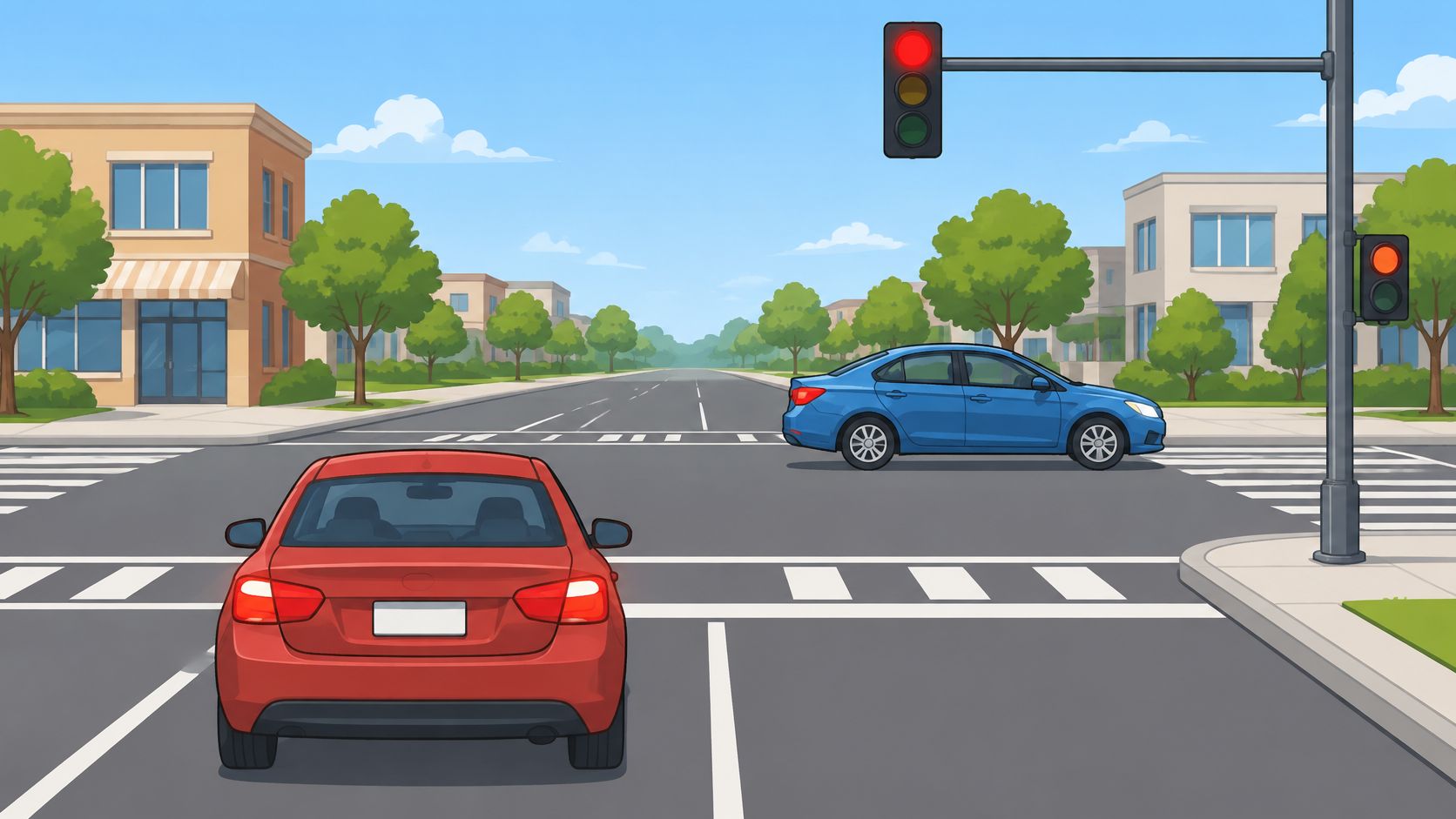
Consider a driver who accelerates toward a changing signal and enters after it turns red. Another driver may roll through a residential stop sign while looking only for cars, missing a cyclist approaching the intersection.
Approach Ready to Stop
- Anticipate changes. Approach signals at a speed that leaves room to respond.
- Treat yellow as a warning. Stop when you can do so safely rather than accelerating to beat the red.
- Look beyond vehicles. Check sidewalks, crosswalks, and bicycle travel paths before proceeding.
Intersection habit: Make the stop first. Then make the decision to proceed.
A traffic-signal violation isn't automatically a reckless-driving conviction. Deliberately entering against a red signal at dangerous speed, especially alongside other violations, raises a different safety and legal concern than a momentary error.
Don't use the absence of a crash as proof that the choice was acceptable. Someone else may have stopped or swerved to prevent it.
The Intermediate Driver Improvement course at DriverEducators is relevant when a court requires that level of instruction or a driver needs a deeper review of right-of-way decisions. Confirm the assigned course, then focus on replacing rushed intersection entries with deliberate observation.
8. Drag Racing, Street Racing, and Ignoring Move Over Laws
Street racing is unauthorized speed competition on public roads. Ignoring Move Over requirements means failing to make the required lane or speed adjustment around qualifying stopped vehicles.
The behaviors differ, but both can expose people outside ordinary traffic flow to danger. Racing drivers may lose control near bystanders, while a driver passing too close to a stopped vehicle can endanger someone working beside it.
Suppose drivers begin racing on a highway and one strikes a guardrail after losing control. In a separate scenario, a driver maintains speed beside a stopped police vehicle without creating room for the officer.
Remove Competition and Create Space
- Refuse the race. Don't respond to revving, gestures, or another driver accelerating alongside you.
- Scan the shoulder. Look ahead for stopped vehicles and people outside them.
- Move safely. Change lanes when safe and follow the applicable slowing requirements.
- Report safely. Contact authorities about dangerous racing without pursuing participants or handling a phone while driving.
Review BDISchool's Florida Move Over law guidance for the specific situations that require action. Don't assume the obligation concerns only a police vehicle with an officer standing beside it.
Florida's broader reckless-driving standard can also matter when a driver deliberately ignores obvious danger. The legal conclusion still depends on the conduct and circumstances, not merely the label attached to the behavior.
BDISchool's Basic Driver Improvement course can support eligible citation-related education. Its Mature Driver Course is another relevant option for qualifying drivers seeking a refresher and potential insurance benefits, but it shouldn't replace a different course specifically required by a court.
8 Common Examples of Reckless Driving Compared
| Unsafe Driving Behavior | Typical Pattern 🔄 | Expected Safety Impact 📊 | Key Consequences | Prevention Tip 💡 |
|---|---|---|---|---|
| Excessive Speeding | Exceeding the limit or driving too fast for conditions; may involve tailgating or abrupt lane changes. | ⭐ Less reaction time, longer stopping distance, and more severe crashes; speeding is linked to roughly 29% of U.S. traffic fatalities in recent NHTSA data. | ⚠️ Crash risk, fines, license points, higher insurance costs, and possible reckless-driving charges. | ⚡ Use a speed reminder, keep a three-second gap, and slow down for weather, darkness, and work zones. |
| Aggressive Tailgating | Following too closely, pressuring other drivers, or weaving through traffic. | ⭐ Little room to respond to sudden stops; can trigger rear-end or chain-reaction crashes. | ⚠️ Traffic citations and possible escalation into road rage. | 💡 Leave at least three seconds of following distance; increase it in poor conditions. |
| Road Rage and Aggressive Driving | Hostile gestures or threats, chasing or blocking others, or patterns such as speeding and weaving. | 📊 Raises the risk of multi-vehicle crashes and physical confrontations. | ⚠️ Possible criminal or traffic charges and lasting driving-record or insurance effects. | 💡 Do not engage or retaliate; create distance and use calm, unhurried driving habits. |
| Distracted Driving (Texting and Phone Use) | Texting, scrolling, calling, or using apps while driving; other distractions include eating and adjusting controls. | 📊 Diverts visual, manual, and mental attention; texting can take a driver's eyes off the road for about five seconds. | ⚠️ Crash risk, fines, and points; Florida restricts handheld device use while driving. | ⚡ Put the phone away or enable Do Not Disturb; set navigation and music before departure. |
| Impaired Driving (Alcohol and Drugs) | Driving after alcohol, cannabis, medication, or other substances affect ability; fatigue can also impair driving. | ⭐ Slower reactions, weaker judgment, reduced coordination, and greater risk of severe crashes. | ⚠️ Possible criminal charges, license suspension, jail time, and long-term insurance or employment effects. | 💡 Do not drive while impaired; arrange a designated driver, ride service, or public transit. |
| Unsafe Lane Changes and Weaving | Changing lanes without checking or signaling, cutting across lanes, or moving rapidly through traffic. | 📊 Increases blind-spot collisions, sideswipes, and sudden braking by other drivers. | ⚠️ Improper lane-change citations and crash-related costs. | 💡 Check mirrors and blind spots, signal early, and move only when the lane is clear. |
| Running Red Lights and Stop Signs | Entering after a signal requires stopping, rolling through a stop sign, or accelerating to beat a yellow light. | ⭐ Creates a high risk of intersection crashes, including severe side-impact collisions. | ⚠️ Fines, camera tickets in some areas, possible points, and higher insurance costs. | 💡 Stop at yellow lights when safe; come to a complete stop at stop signs and check for crossing traffic. |
| Street Racing and Ignoring Move Over Laws | Racing on public roads or failing to move over or slow down near stopped emergency or service vehicles. | 📊 Endangers drivers, pedestrians, roadside workers, and first responders. | ⚠️ Possible criminal charges, fines, vehicle impoundment, and license suspension. | 💡 Avoid racing; move over when safe and slow down when passing stopped roadside vehicles. |
Protect Your Record and Drive Safer
Start with the behavior that caused the ticket or near miss, then match the course to your actual requirements. Speeding, distraction, anger, and poor observation call for different habit changes, even when they lead to similar consequences.
Also separate a moving violation from a criminal allegation. Florida's reckless-driving law allows a first conviction to result in up to 90 days in jail, a fine of $25 to $500, or both, under the published Florida reckless-driving statute. Traffic school isn't a substitute for legal advice about a criminal charge.
Choose Education That Matches Your Situation
- Basic Driver Improvement. Consider BDI for an eligible moving violation when your goal is avoiding ticket-related points and addressing everyday defensive-driving habits.
- Intermediate Driver Improvement. Choose IDI when the court requires it or when that program fits your assigned educational needs.
- Aggressive Driver Course. Focus on this option when intimidation, retaliatory driving, or recurring aggressive behavior is the problem, subject to court acceptance.
- Mature Driver Course. Explore this refresher for qualifying drivers seeking safer habits and potential insurance benefits.
BDISchool and DriverEducators offer Florida-approved online programs with self-paced study and language options including English, Spanish, and Portuguese. Check the individual listing for the program, language, and completion process that fit your needs.
Is One Unsafe Act Automatically Reckless Driving?
Usually, no. Florida's legal standard requires applying the statute to the specific circumstances, although fleeing a law-enforcement officer by vehicle is expressly treated as reckless driving.
The examples of reckless driving above identify dangerous behaviors, not automatic findings of guilt. Speed, conditions, surrounding traffic, and deliberate disregard all deserve attention.
Can a Course Remove Points or Satisfy Any Court Order?
No course guarantees every outcome. Eligible drivers may be able to avoid points through an appropriate traffic-school election, while court compliance depends on completing the program the court accepts.
Before registering, confirm eligibility, deadlines, and submission instructions with the responsible authority. Ask your insurer separately whether a particular course qualifies you for an insurance benefit.
What Should You Do After a Near Miss?
Identify the decision you need to change before your next trip. Put the phone away, leave more following space, plan your lane earlier, or arrange transportation that doesn't require you to drive impaired.
Then choose education that reinforces that change. A certificate can document completion, but safer driving requires using the lessons when you're hurried, frustrated, or facing an unexpected hazard.
BDISchool offers Florida-approved online driver improvement courses for eligible ticket-related needs, court requirements, and safer driving habits. Visit BDISchool, compare the available programs with your citation or court instructions, and register for the course that matches your situation.